
Project planning
How to Request a Custom Bag Quote: A Buyer’s Checklist
A quote becomes more useful when the supplier understands what the bag needs to do, which details are fixed, and which are still open for discussion.
Read the guide →Practical guides for overseas buyers planning custom bags, reviewing product references, choosing materials, and building seasonal collections.
Written for sourcing decisions · Connected to current Henry Outdoor product references
Featured guide ↗Use these guides to prepare an inquiry, compare options, or review a product reference. Each article focuses on decisions buyers can confirm with a supplier; exact specifications, availability, and commercial terms are discussed for the individual project.
Prepare a stronger brief, compare sourcing routes, and keep sampling and production decisions organized.
A quote becomes more useful when the supplier understands what the bag needs to do, which details are fixed, and which are still open for discussion.
Read the guide →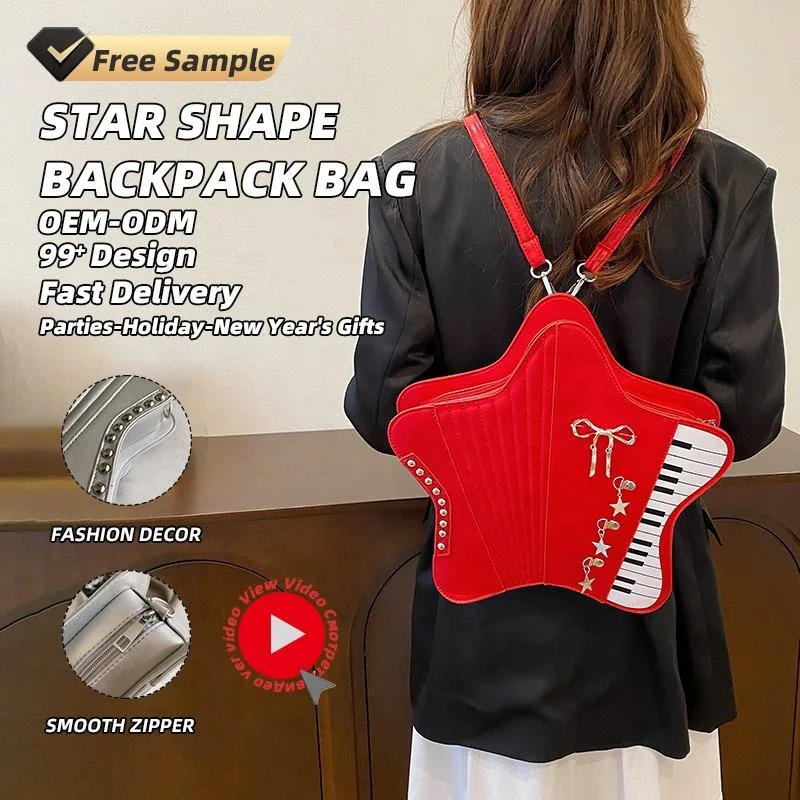
The right sourcing route depends on how much of the design is already decided, what needs to change, and how much development your project can support.
Read the guide →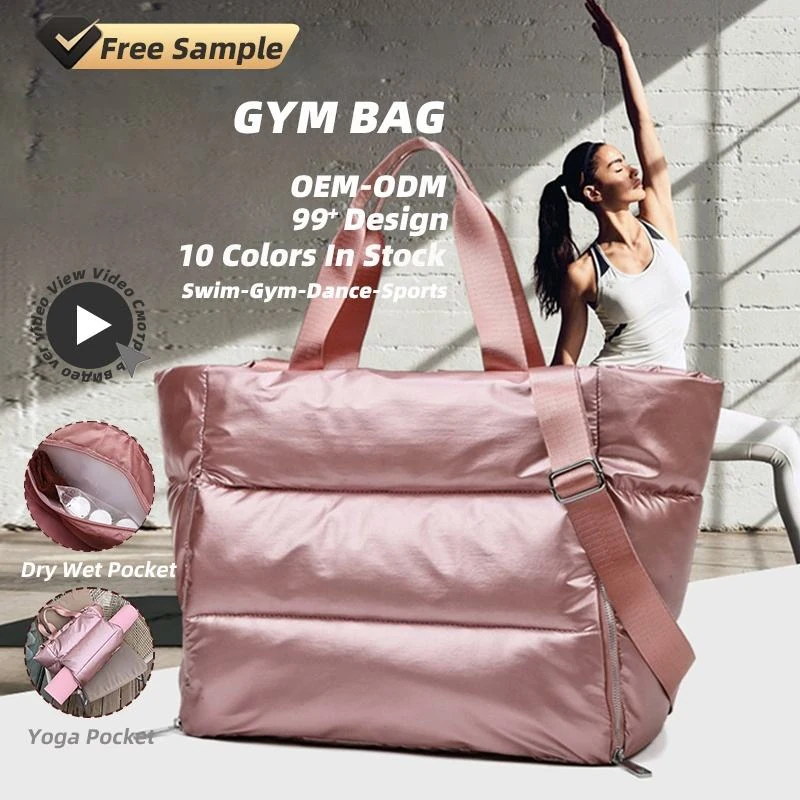
A well-organized development discussion keeps design decisions, sample feedback, and production requirements connected from the beginning.
Read the guide →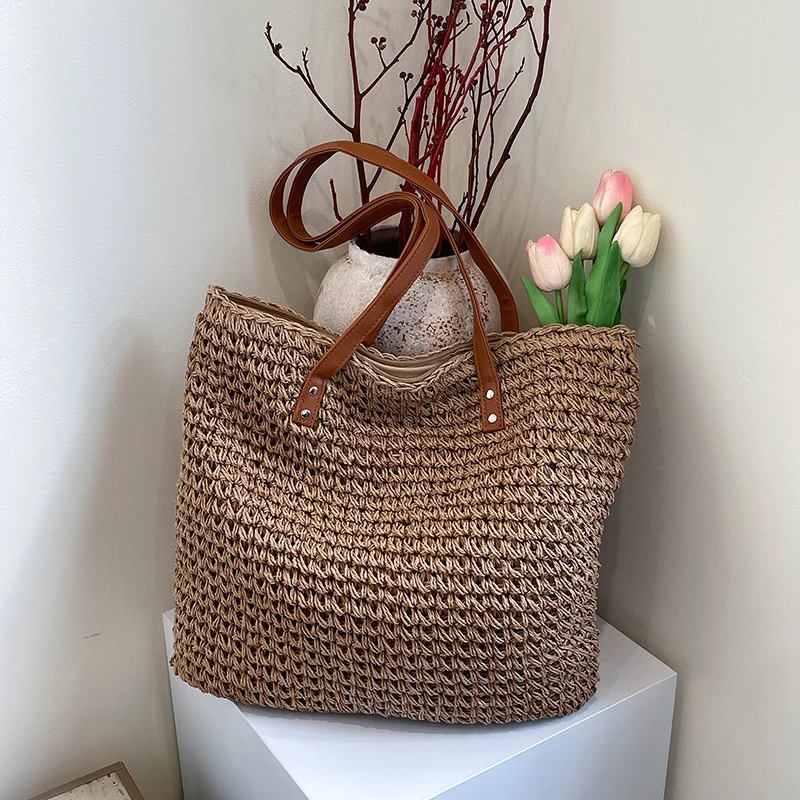
MOQ, sampling, and timing are project-specific. Compare quotes by the assumptions behind them, not by a single number alone.
Read the guide →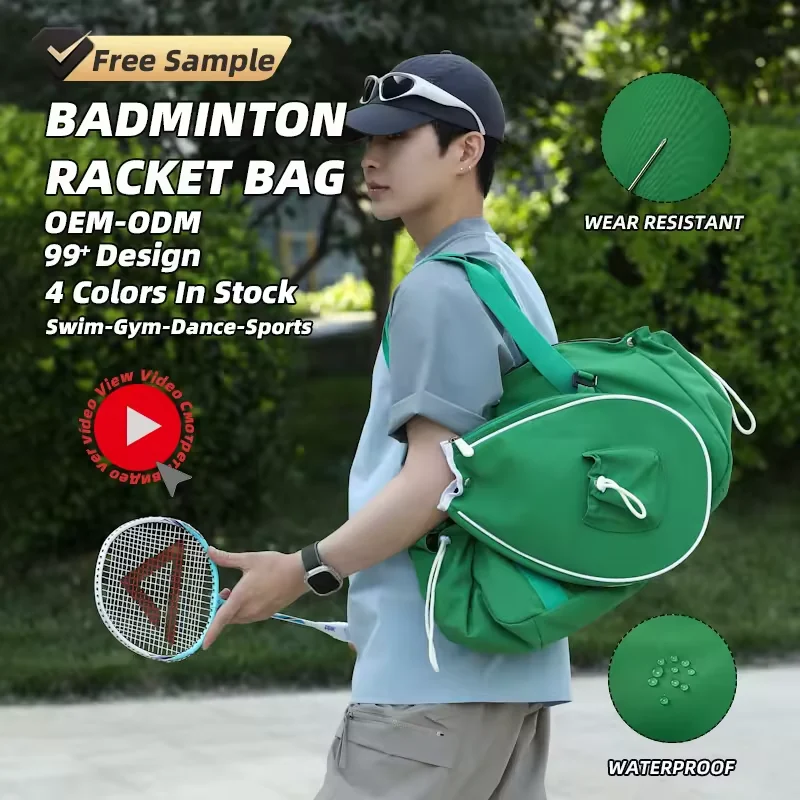
A clear bag specification connects the design drawing to the details a supplier needs to quote, sample, and confirm production requirements.
Read the guide →A sample is most useful when buyers compare it against a written brief and record feedback by specific location and revision.
Read the guide →A useful inspection starts with an approved reference and written acceptance criteria, not an informal list of preferences created after production.
Read the guide →A good supplier review looks for verifiable evidence and a clear fit with your project instead of relying on broad claims or a product catalogue alone.
Read the guide →Explore material, logo, color, and construction questions before you approve a specification.
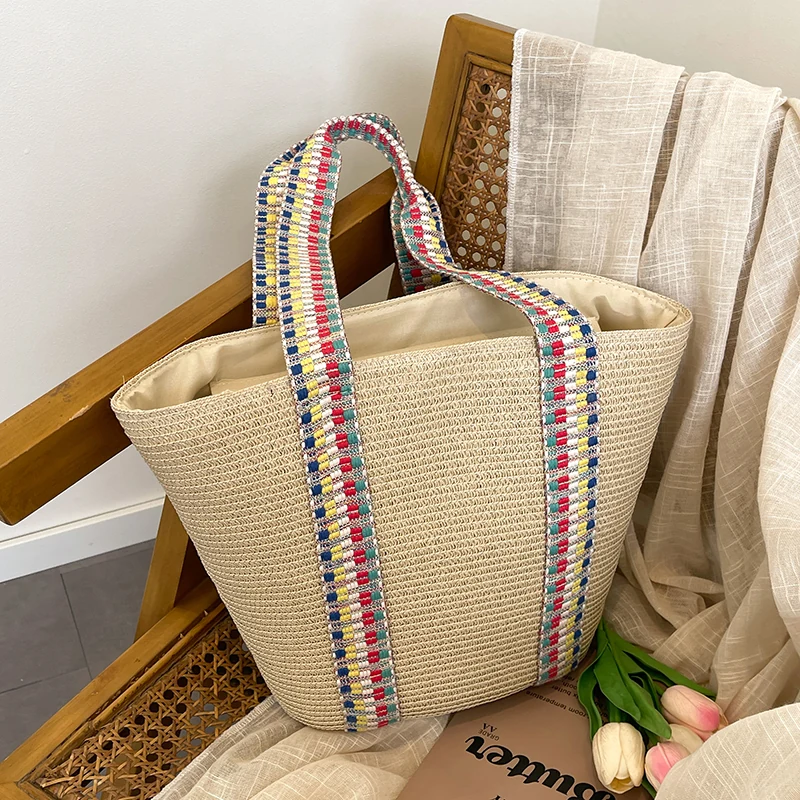
A material decision is strongest when it starts with the bag’s job and the buyer’s priorities, then confirms the exact specification on a sample.
Read the guide →The right logo method depends on the bag surface, the artwork, the desired look, and where the mark sits on the finished product.
Read the guide →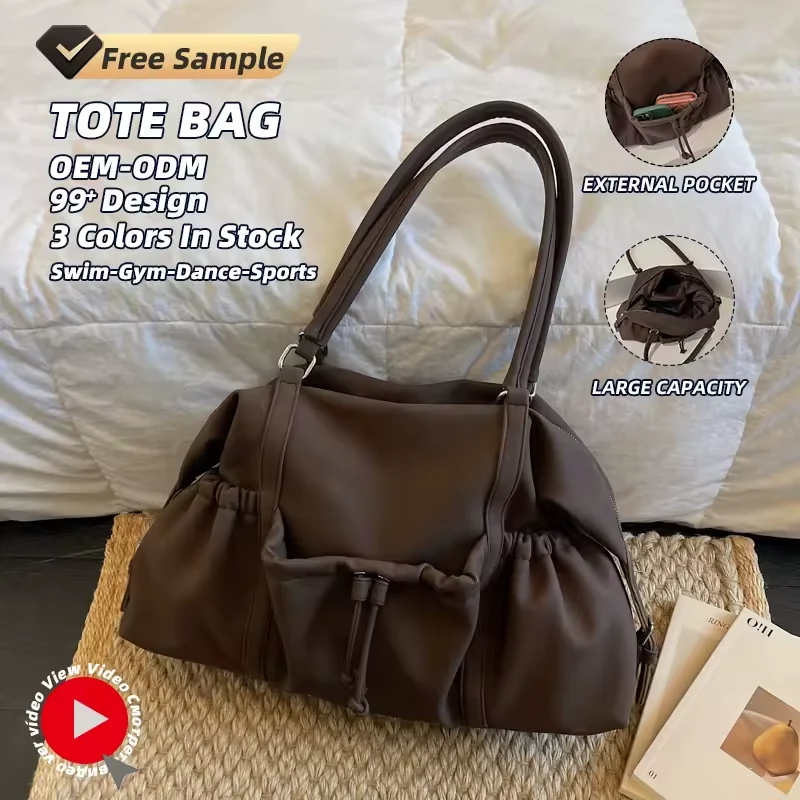
Packaging should be planned with the bag itself so labels, presentation, packed dimensions, and shipping requirements are aligned before sampling.
Read the guide →Compare bag formats and define the details that matter for your use case.
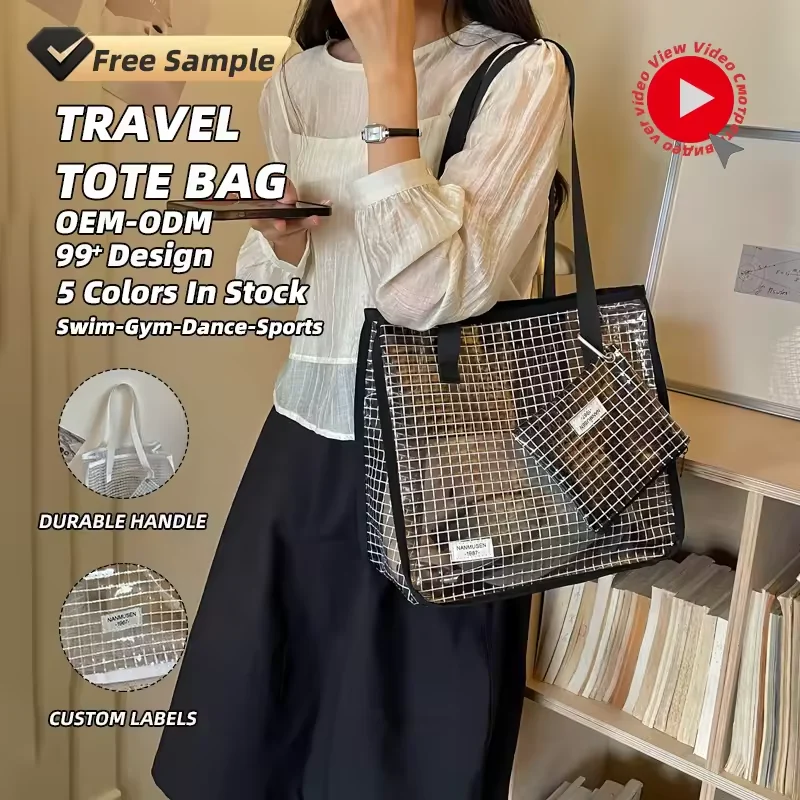
Transparent bags can serve different programs, but buyers should specify how clear the bag needs to be, what it must carry, and which venue or retailer requirements apply.
Read the guide →For a beach or resort collection, a straw bag’s silhouette is only one decision; buyers should also align the carry details, lining, decoration, and product presentation.
Read the guide →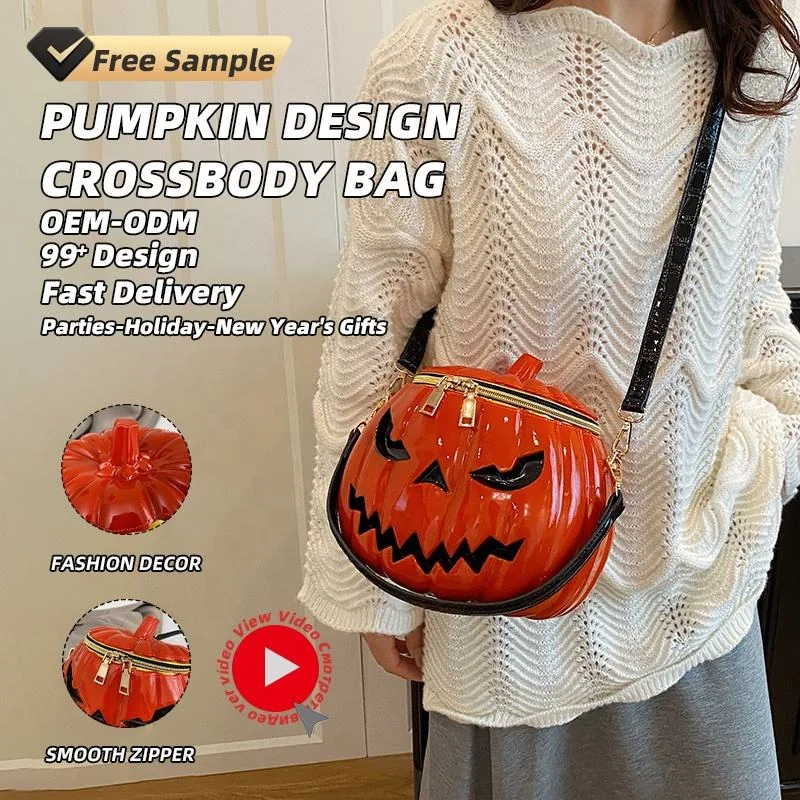
A successful novelty bag needs a recognizable shape and a clear answer to practical questions about carrying, opening, capacity, construction, and merchandising.
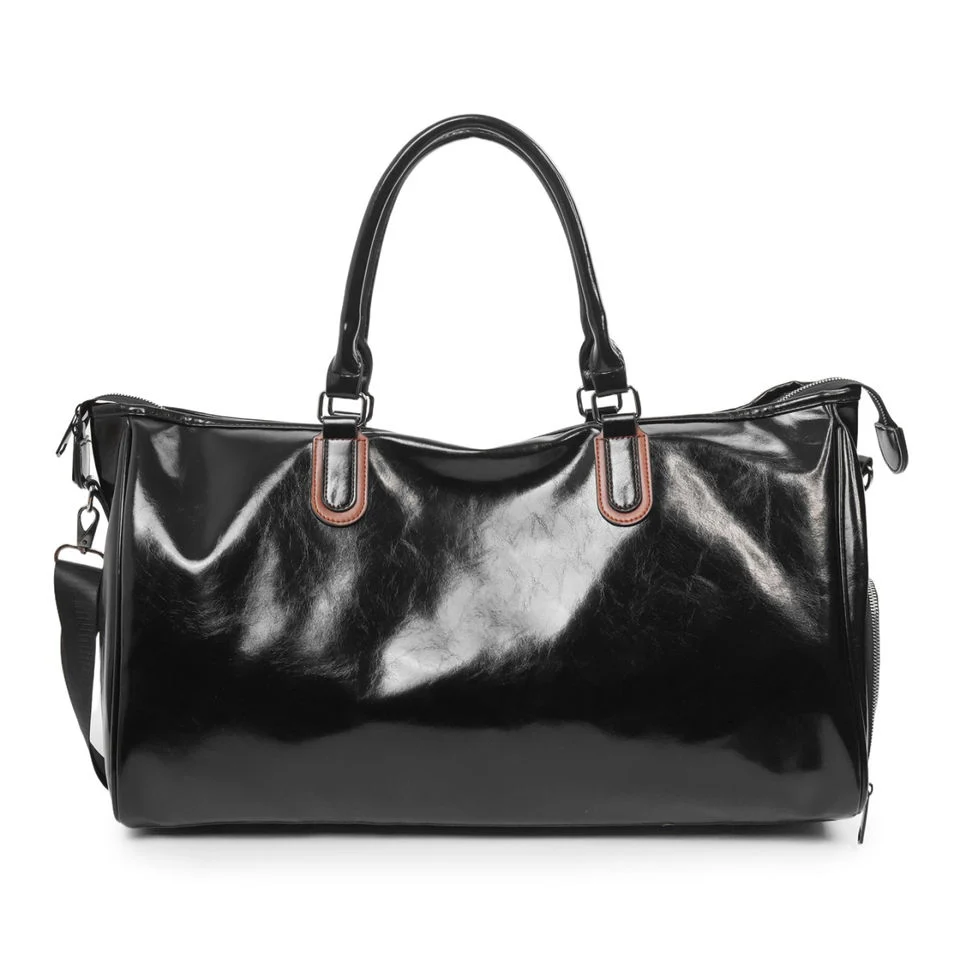
Read the guide →A useful duffel specification starts with the trip and the items it must carry, then turns those needs into measurable design decisions.
Read the guide →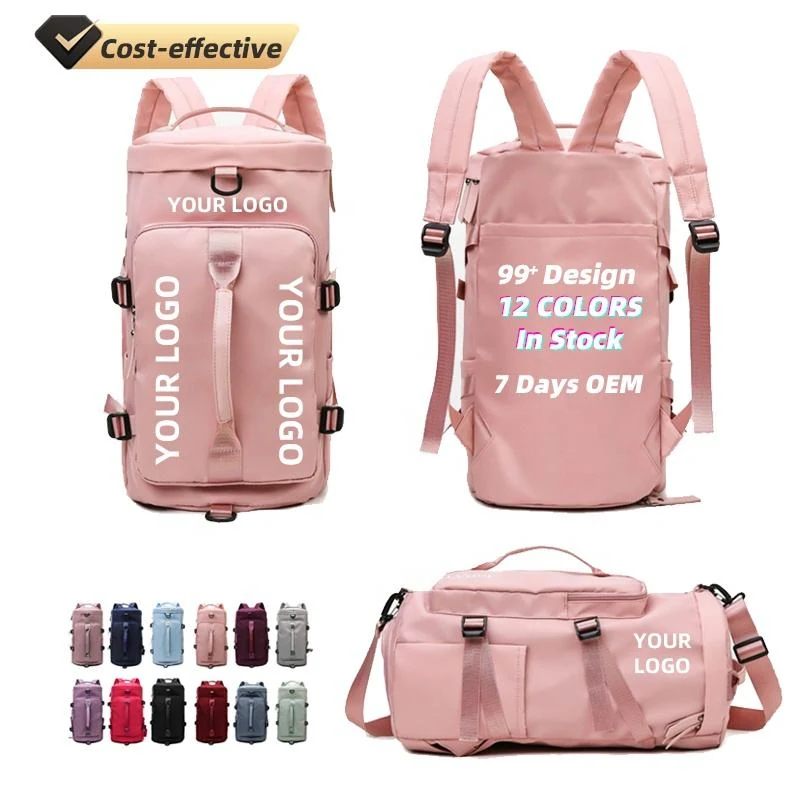
A useful gym-bag brief explains what users carry after training and how each item should be organized, accessed, and separated.
Read the guide →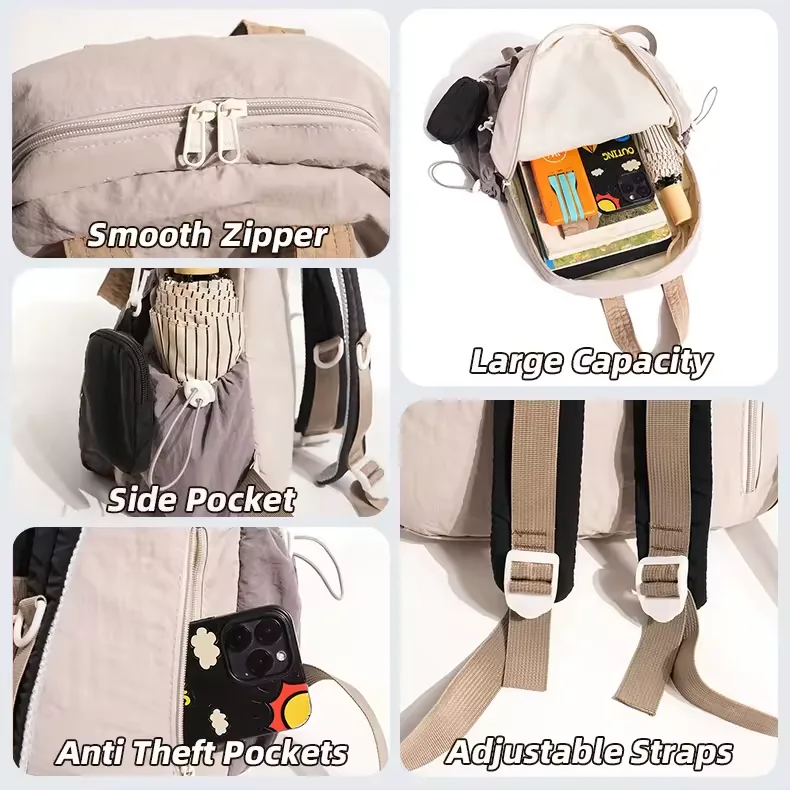
A backpack brief should connect the wearer and intended load to measurable decisions about dimensions, straps, back construction, and storage.
Read the guide →Tote buyers can reduce revisions by defining the intended contents, carry method, material, branding, and retail or event requirements before sampling.
Read the guide →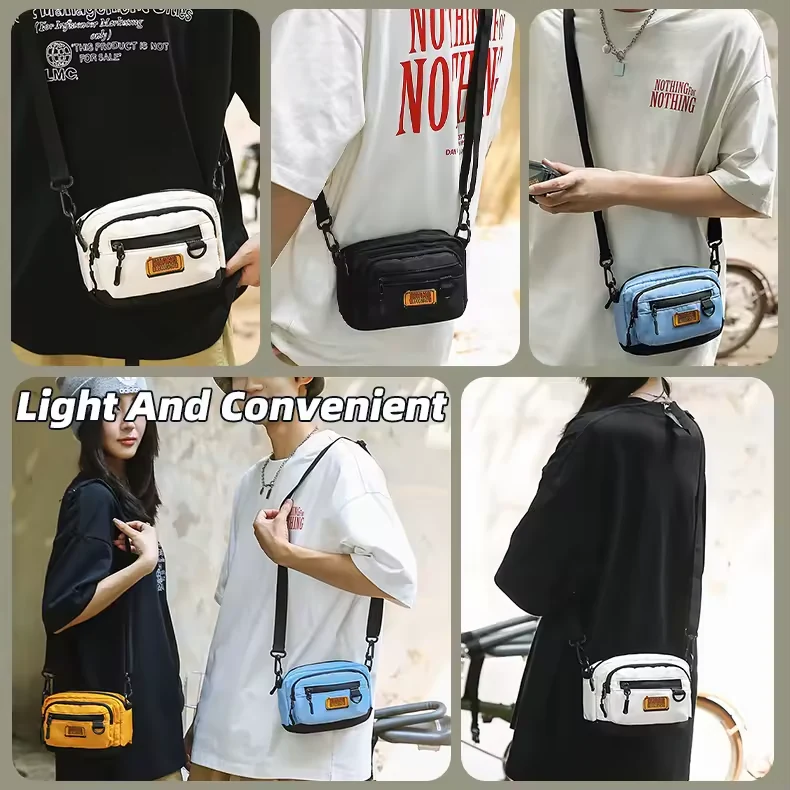
A crossbody bag should be evaluated on how it sits on the wearer and how easily the intended items can be reached, not only on its silhouette.
Read the guide →Sports bag specifications work best when they begin with the exact equipment and carry routine, then define the organization and branding around them.
Read the guide →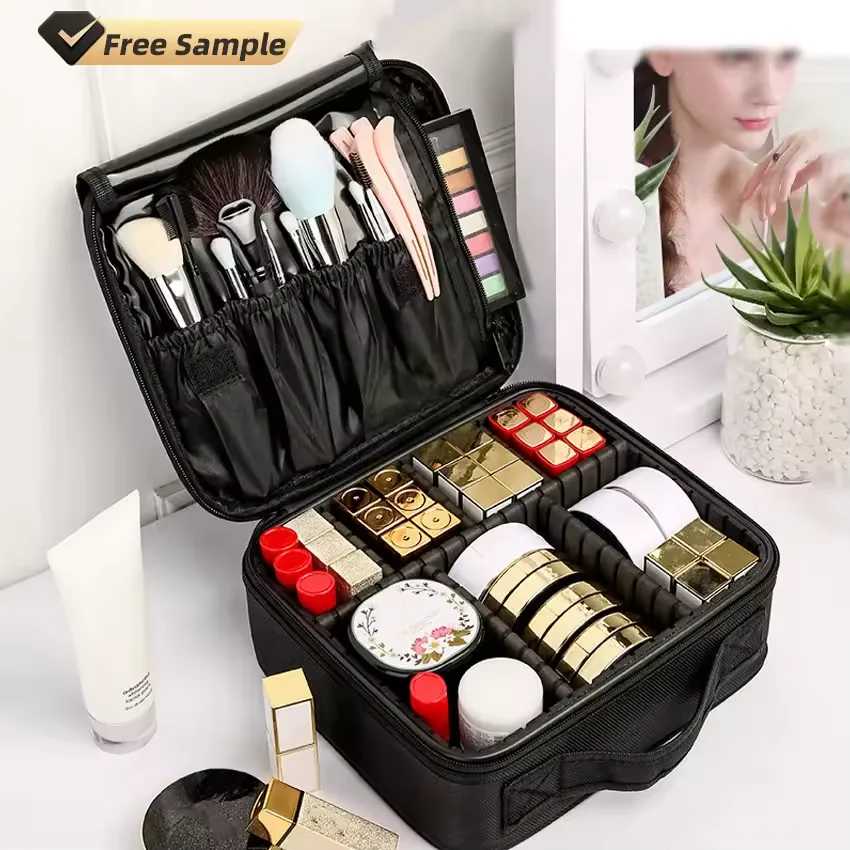
A cosmetic-bag brief should identify the products users carry and the way they need to organize, access, and clean the interior.
Read the guide →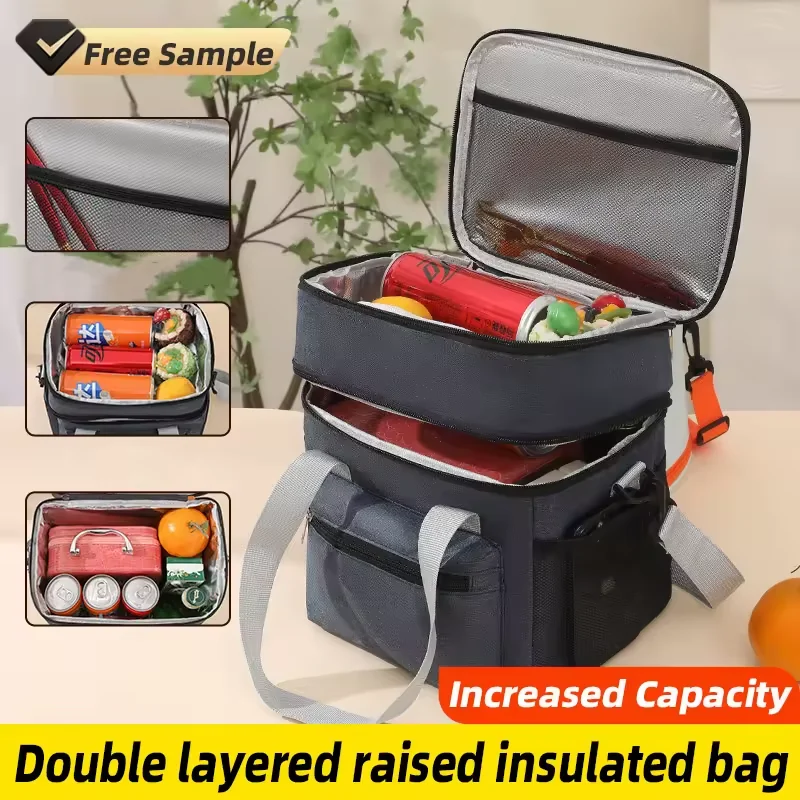
For an insulated bag program, buyers should define the intended use and measurable performance goal before selecting construction details.
Read the guide →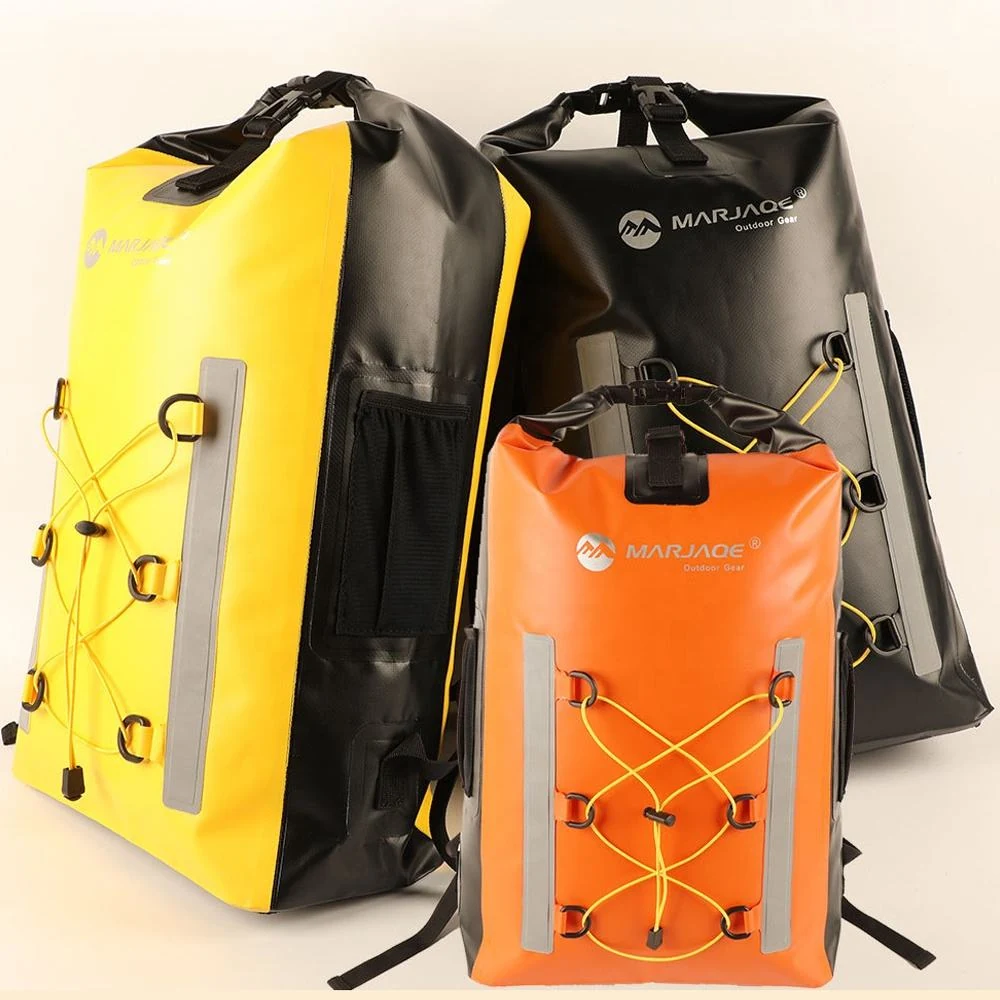
A dry-bag order should translate the outdoor use and exposure conditions into a closure, construction, and test requirement the supplier can review.
Read the guide →
The key buying questions for a waist bag are how it fits different users, what it carries, and where the user needs access while wearing it.
Read the guide →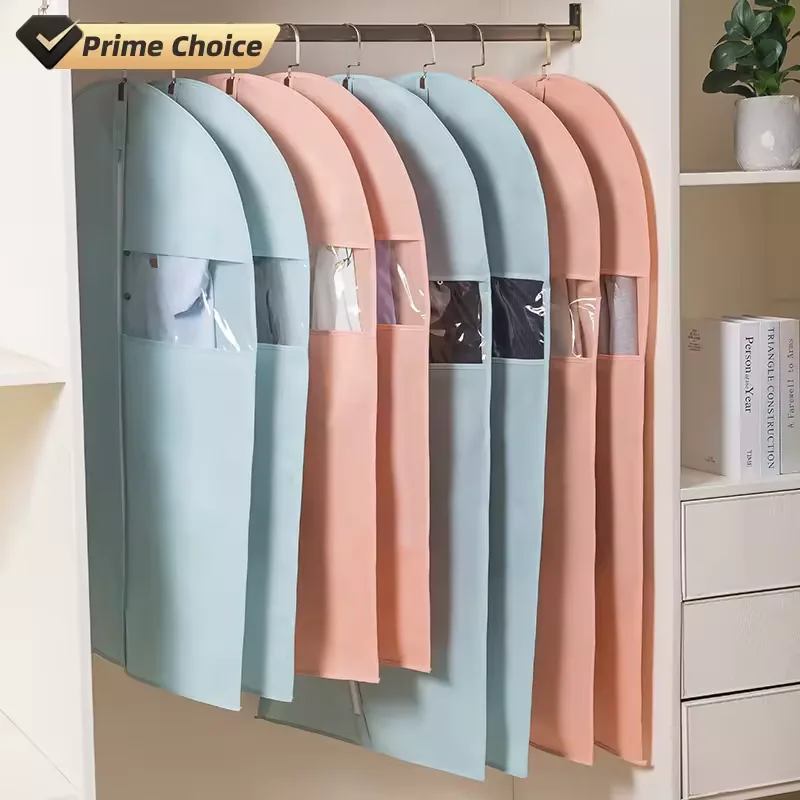
The right garment-bag format depends on the clothing it protects, how it is transported, and whether it is used for retail, travel, or storage.
Read the guide →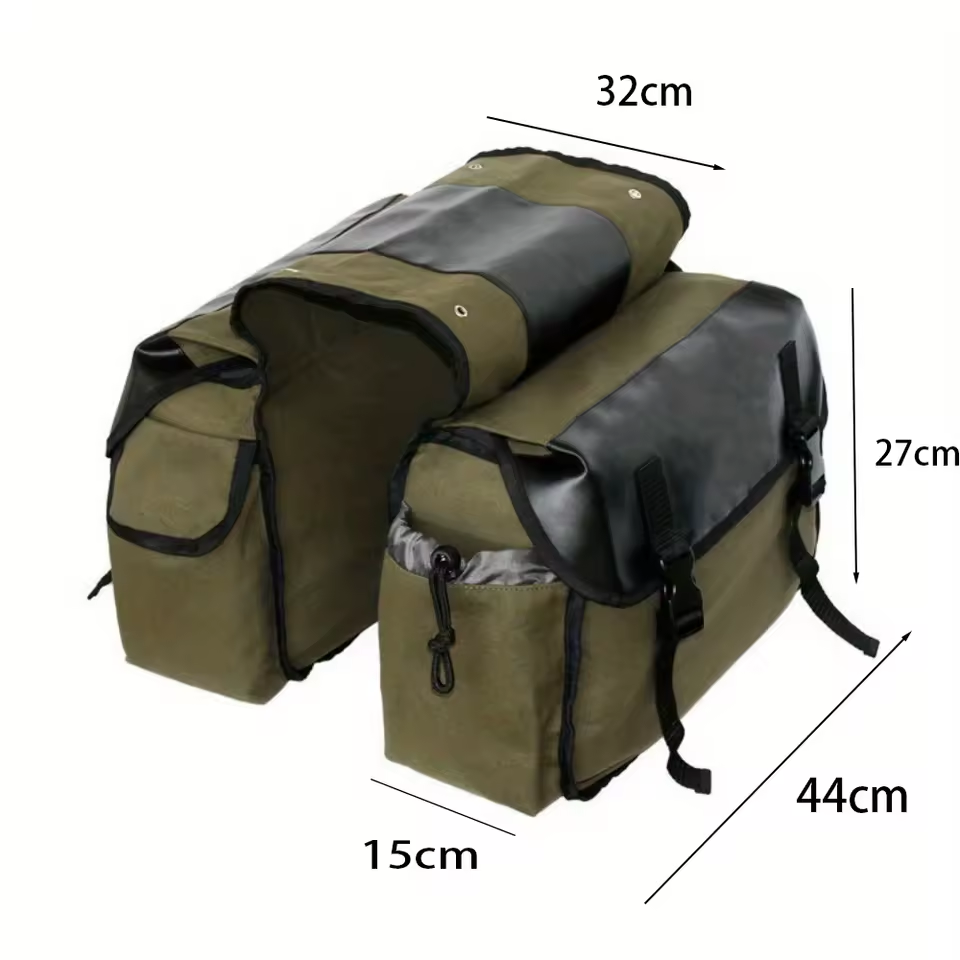
A cycling-bag brief should identify where the bag mounts and how the rider will use it, then verify fit and access on the intended bicycle.
Read the guide →Develop themed product ideas with the assortment, packaging, and launch plan in view.
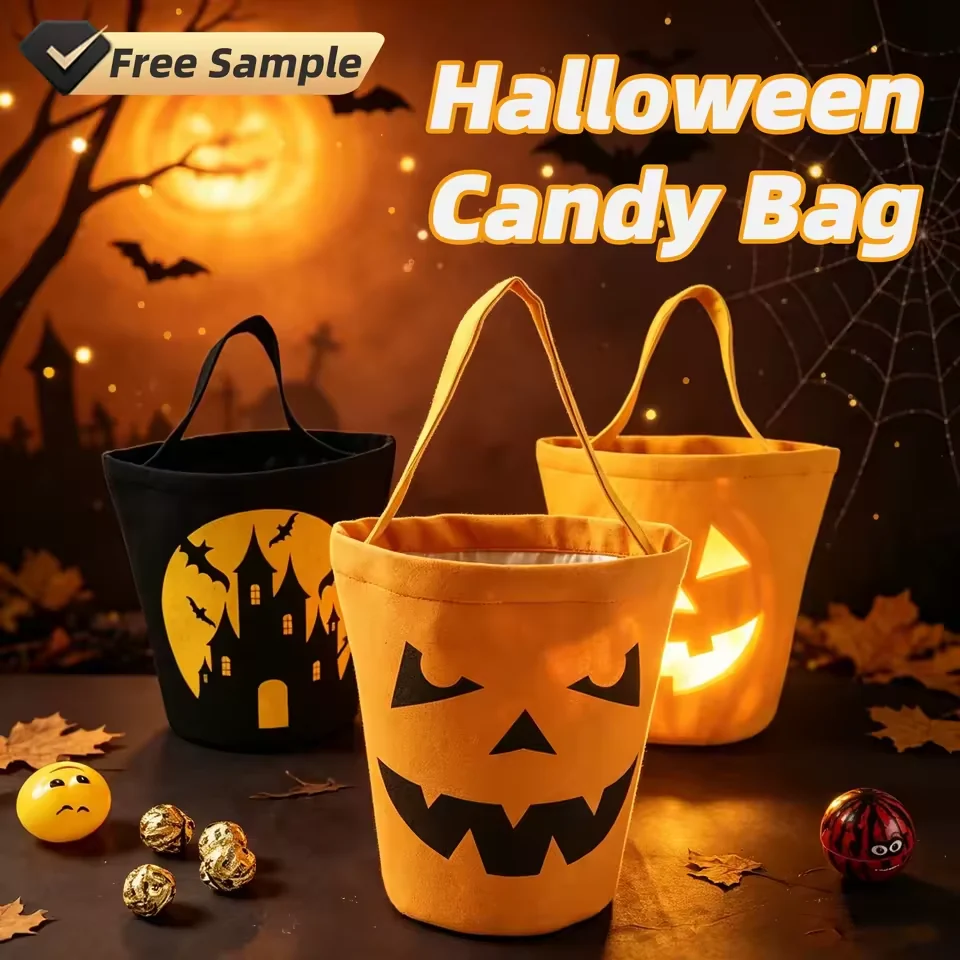
Pumpkin, ghost, bat, and skull themes can create a distinct seasonal range; the product brief should still cover how each bag opens, carries, and is merchandised.
Read the guide →A seasonal bag collection works best when the gift presentation, product use, assortment, and production plan are considered together.
Read the guide →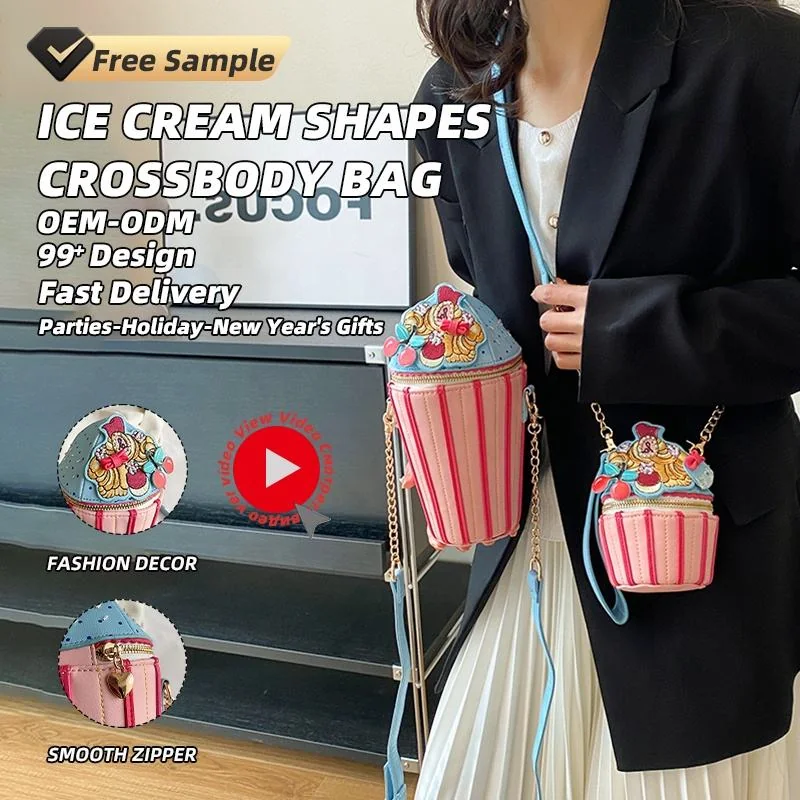
A playful shape is only one part of a children’s gift program; buyers should specify the recipient, use, size, carry, materials, and applicable market requirements.
Read the guide →Share the intended use, target market, estimated quantity, and the styles or changes you are considering.