
A backpack specification is more useful when it describes who will wear the bag, what it needs to carry, and how it should fit into the user’s routine. Those details help buyers and suppliers discuss dimensions, organization, straps, materials, branding, and the checks needed before a sample is approved.
Choose the backpack format and user
Identify whether the bag is intended for school, work, travel, sport, or outdoor use. Describe the age or size range of the wearer when relevant, the carry duration, and the items that must fit. A laptop, clothing, sports gear, and everyday essentials lead to different layouts.
Give the bag’s target dimensions and a list of representative contents. If a laptop sleeve or equipment pocket is needed, provide the item’s dimensions and desired protection or separation; do not rely on a generic pocket label.
Record the target user, expected carry duration, and everyday load. A commuter carrying a laptop, a student carrying books, and a hiker carrying clothing need different panel proportions and organization even when their desired bag volume is similar.
Specify fit, straps, and construction
Describe shoulder strap width and adjustment range, back panel preferences, handle placement, and any chest or waist strap requirements. If the expected load is important, state the contents and ask what construction details and sample checks the supplier recommends for that use.
A nylon travel backpack reference can help discuss pocket placement and organization. Confirm the exact reference size, material, and current color choices on its product page before treating them as project requirements.
For a laptop or tablet area, provide the device dimensions and clarify whether the sleeve should be suspended, padded, lined, or simply separated from other contents. Confirm the opening and zipper path with a device-sized sample block or the actual device.
Plan compartments, closures, and materials
Sketch the main compartment, front and side pockets, laptop or document storage, bottle access, and any shoe or equipment area. Mark which pockets need quick access and which should be protected inside the bag. Avoid adding pockets without a clear use, since each opening and panel affects the overall design.
List the preferred shell, lining, zipper, buckles, webbing, reinforcement, and decoration. If you need water resistance, abrasion performance, or another measurable property, define the target and ask how it can be verified for the chosen construction.
A fit review should include torso contact, shoulder strap spacing, adjustment range, sternum strap position if needed, and the bag’s balance when loaded. Specify which users or body sizes should be represented so approval does not rely on a single empty-bag check.
Approve a backpack sample
Check the sample using representative contents. Review the dimensions, opening, pocket access, shoulder adjustment, attachment points, zipper operation, stitching, finish, and branding. Record the version and mark every requested change clearly.
Before bulk production, align the approved sample, material and color references, logo artwork, size tolerance, quantity breakdown, packaging, and inspection points. MOQ, sample arrangements, and timing need to be confirmed for the specific project.
Ask the supplier to identify which construction details are confirmed and which remain provisional. Record the agreed panel dimensions, foam or padding, zipper types, reinforcement, hardware, and logo artwork in the same revision-controlled specification.
Buyer questions
Should a backpack brief include a target capacity?
It can, but pair capacity with dimensions and a representative list of contents. Those details clarify shape and usable space.
Can the same backpack specification work for every market?
Not always. Fit, labeling, retailer requirements, and performance expectations may vary. Share the target market and confirm the applicable requirements before sampling.
Styles mentioned in this guide
These are product references, not a promise of stock or fixed specifications. Open a style page to review its current details.
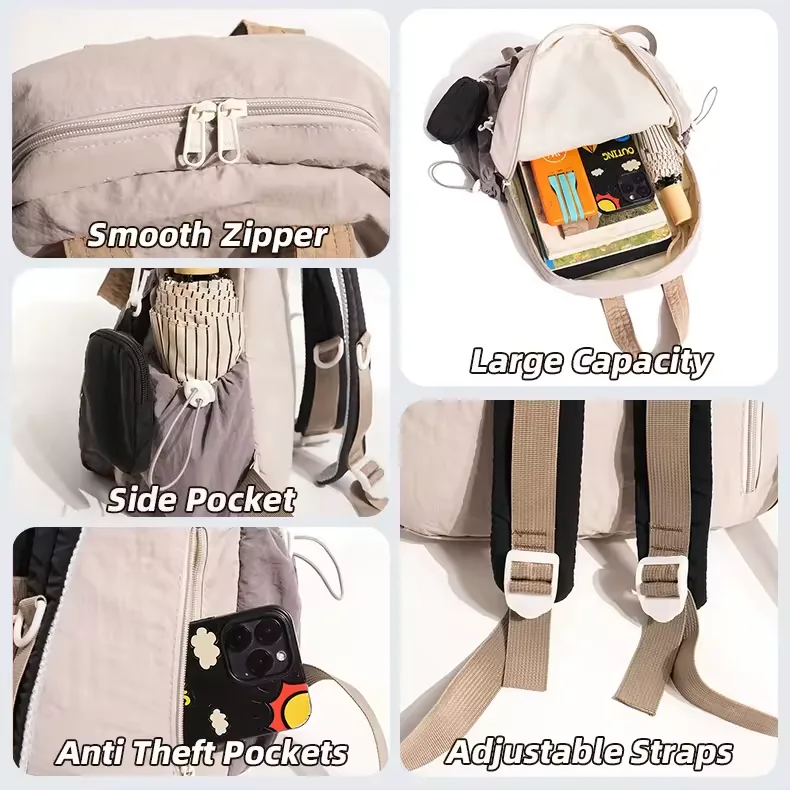
12 L Nylon Travel Backpack with Security Pocket
View product reference →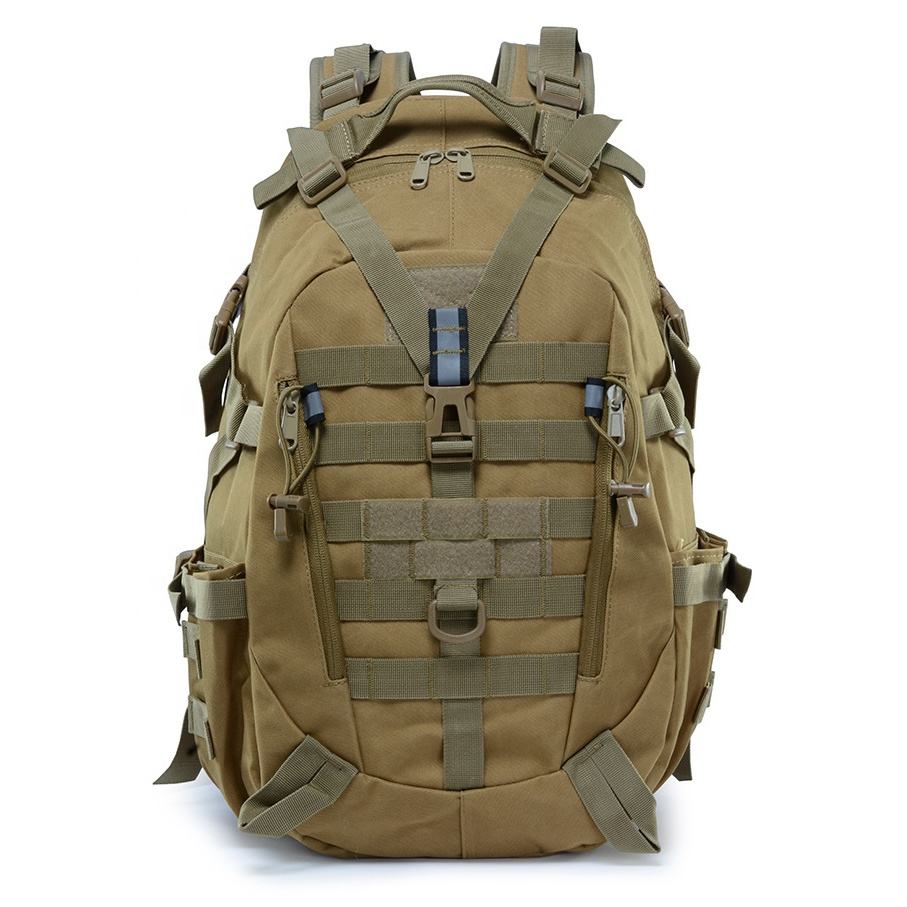
Need help applying this guide to a product?
Send the product reference, intended use, target market, and the details you want to confirm.