
Custom tote bags can be designed for retail, events, gifting, travel, or everyday use. The right specification depends on what the bag must carry, how it will be held, whether it needs to close, and how the brand should appear. Begin with use and contents before choosing a material or decoration method.
Define the tote’s job in the program
Clarify whether the tote is a retail product, event giveaway, shopping bag, travel companion, or part of a gift set. State the target customer, intended contents, target market, and expected presentation. These choices influence size, closure, pocket layout, material, and packaging.
Measure typical contents or provide a reference object. A tote can look spacious but have a narrow opening, shallow base, or handles that do not suit shoulder carry. A zip-top tote reference can help anchor a discussion about closure and everyday organization.
For promotional use, estimate the actual contents and the number of times the bag is expected to be reused. For retail, consider whether the bag should retain its shape on a shelf, stand when filled, fold for storage, or support a particular product weight.
Specify body, handles, and base
Give width, height, and depth, along with handle length, handle width, and the desired drop from the top edge. Explain whether the bag should sit upright, fold flat, or carry bulkier items. If a reinforced base or internal divider matters, show its preferred position on a sketch.
Share the expected contents and approximate load if handle attachment or reinforcement needs review. Do not assume a handle construction is suitable for a particular load based only on appearance; confirm the details with the supplier and assess the sample.
Measure handle drop on a worn or filled sample, not only from a flat drawing. Check whether the handles clear the intended clothing and whether their width, stitching, and attachment points suit the expected contents and carry duration.
Choose material and branding for the channel
Compare available shell and lining options by appearance, structure, weight, and intended use. If the project needs a printed pattern, embroidered logo, woven label, or other decoration, provide artwork and placement rather than relying on a general request to add branding.
Retail and promotional programs may need different labels, hangtags, or packaging. Confirm the brand guidelines, market requirements, and packed dimensions early enough to include them in sampling.
Material choice affects hand feel, structure, print appearance, folding, and packing volume. Request swatches or a material comparison when these factors matter, and approve the final color and decoration on the selected material rather than a different fabric.
Review the sample and prepare a quote brief
Check the opening, interior access, handle drop, stitching, reinforcement, material, color, logo, and how the tote looks when filled. Confirm the sample matches the intended retail or event presentation, then document the approved version for the order.
For a quote, include a reference style, size, material preferences, logo file, colors, estimated quantity, packaging, and desired timing. Clarify which details are fixed and which can be adjusted. Current availability and commercial terms are confirmed for each project.
If the tote will carry a defined load, state the load and the expected use conditions, then agree a suitable sample check. Avoid general strength claims unless the final design has been reviewed and any required test evidence is available.
Buyer questions
What measurements should I include for a tote bag?
Include width, height, depth, opening size when important, handle length and drop, and any base or pocket dimensions that affect use.
Can I add a zipper or logo to an existing tote style?
Ask about the specific construction. Confirm feasibility, material compatibility, logo placement, sample scope, and any effect on quantities or timing.
Styles mentioned in this guide
These are product references, not a promise of stock or fixed specifications. Open a style page to review its current details.
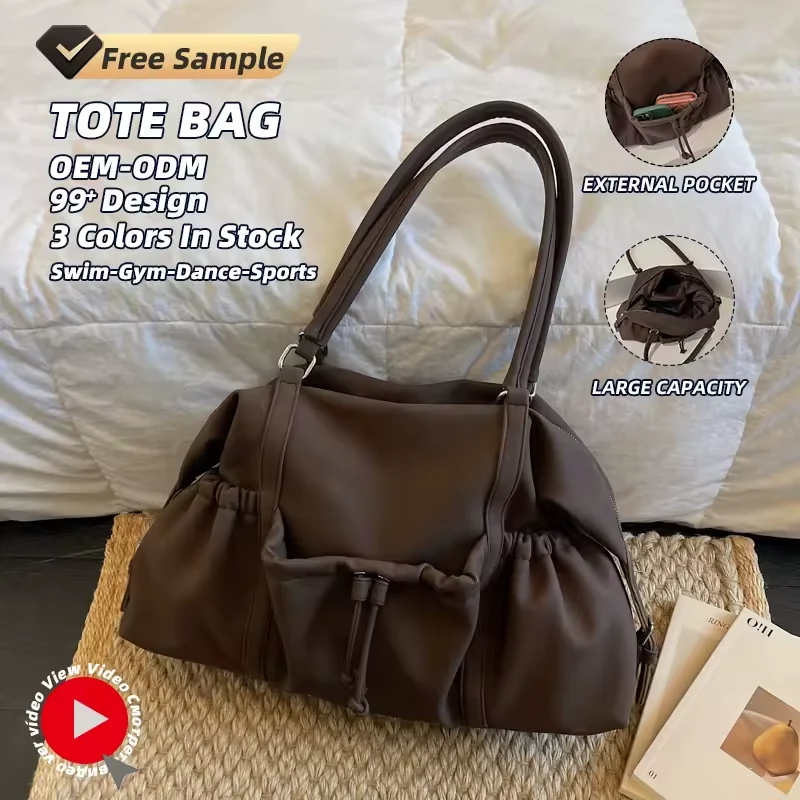
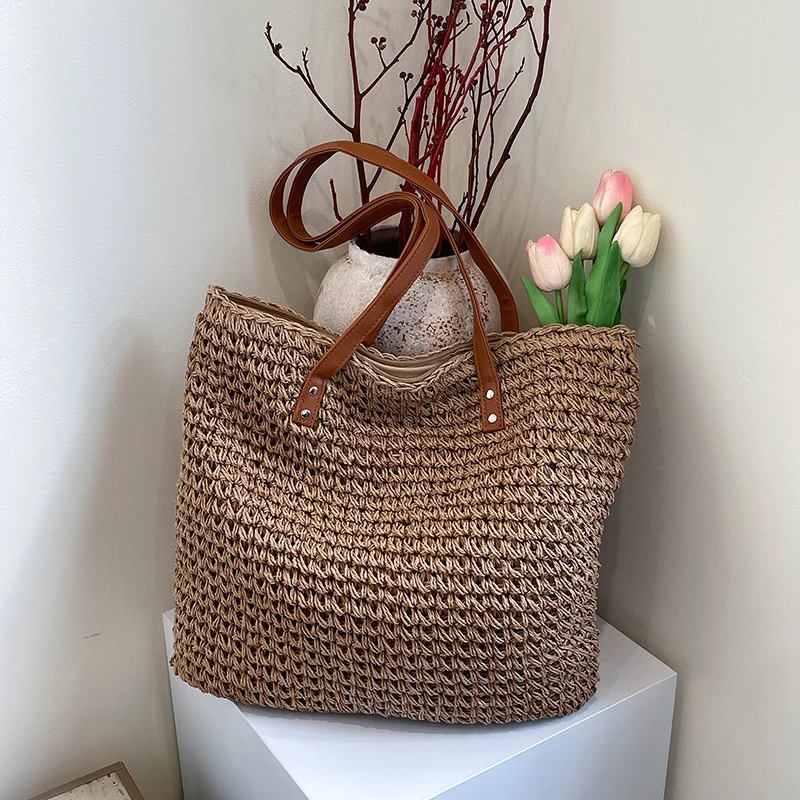
Handwoven Straw Beach Tote with Zip Closure & Two PU Straps
View product reference →Need help applying this guide to a product?
Send the product reference, intended use, target market, and the details you want to confirm.