
Bag buyers often use OEM, ODM, and private label to describe different kinds of projects. The exact terms vary between suppliers, so the most practical approach is to describe the work you need: make to your specification, adapt a current design, or discuss an existing product reference.
OEM: start from your specification
An OEM-style project is usually buyer-led: you provide a design, tech pack, sample, or detailed requirements, and the supplier discusses production against that brief. This can suit a brand with established product specifications or a team that needs close control over construction and branding.
Before asking for a quote, identify which details are mandatory and which can be adjusted. A drawing without construction notes may leave important questions about dimensions, materials, reinforcement, closures, and tolerances.
ODM: develop from a base design
An ODM-style discussion begins with a supplier’s design or capability as a starting point. The buyer may want to adapt colors, materials, pockets, logo, trims, or packaging. The amount of change that is practical depends on the specific style and needs to be confirmed before sampling.
Novelty formats are a good example of why a base style can help. The star-shape handbag and flower-shape handbag show distinct silhouettes that can anchor a discussion about a themed collection.
Existing styles: begin with a listed reference
If a current catalogue style already fits your direction, send its product page and reference number. Ask the supplier to confirm current specifications, color options, sample availability, customization scope, order requirements, and whether the style is available for your target timing.
A listing is not the same as a warehouse-stock guarantee. Confirm availability and commercial terms directly, especially if you need a particular color, quantity, packaging configuration, or delivery window.
Choose by project readiness
Choose the route by asking three questions: Do you already have a final specification? Which product elements must be unique to your brand? How much time and coordination can your team dedicate to development? A clear answer helps the supplier recommend the next conversation rather than forcing your project into a label.
You can also combine routes: begin with an existing style, then evaluate whether material, branding, or construction changes are needed. Keep the reference product number in the inquiry so everyone is discussing the same starting point.
Buyer questions
Does an existing design mean the product is ready to ship?
Not necessarily. The page is a product reference. Confirm inventory, current options, production arrangements, and timing with the supplier.
Can I combine a current design with my own branding?
Ask about the specific product. Logo method, placement, color, packaging, and any structural changes should be confirmed for the chosen construction.
Styles mentioned in this guide
These are product references, not a promise of stock or fixed specifications. Open a style page to review its current details.
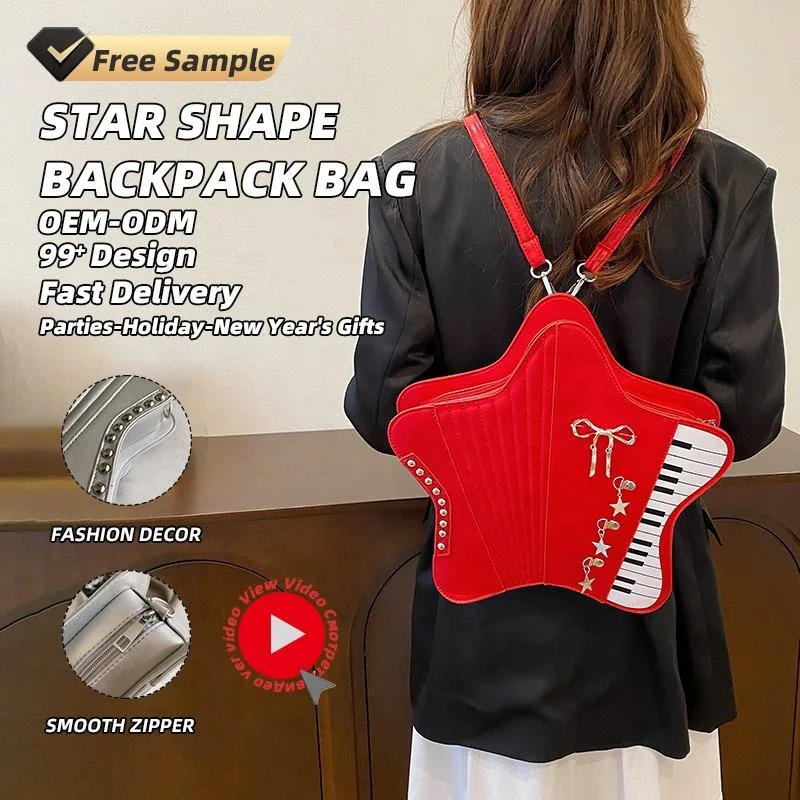
Star-Shape PU Handbag with Adjustable Strap
View product reference →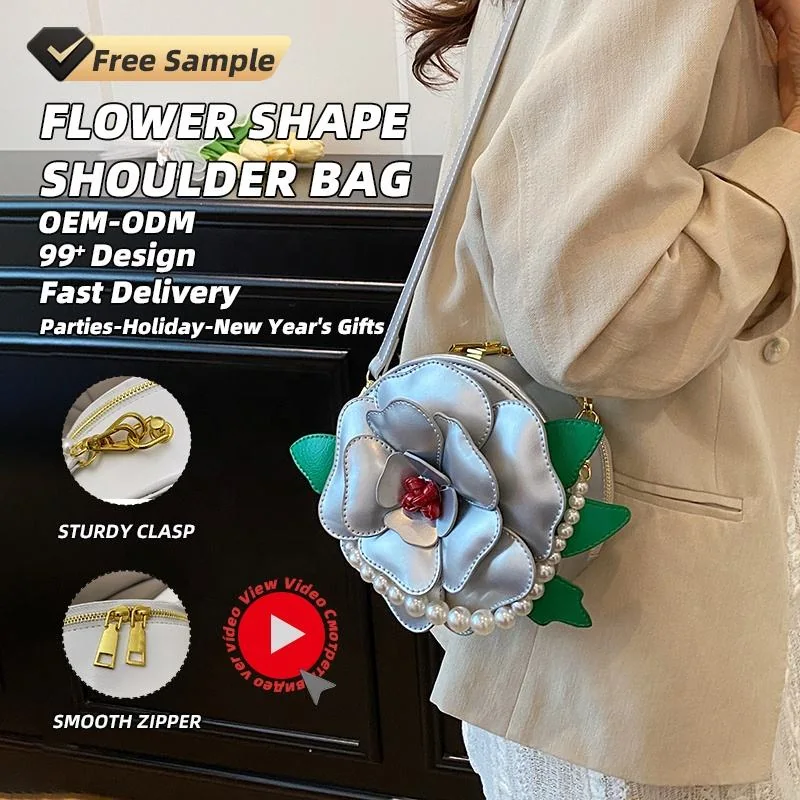
Flower-Shape PU Handbag with Pearl Handle
View product reference →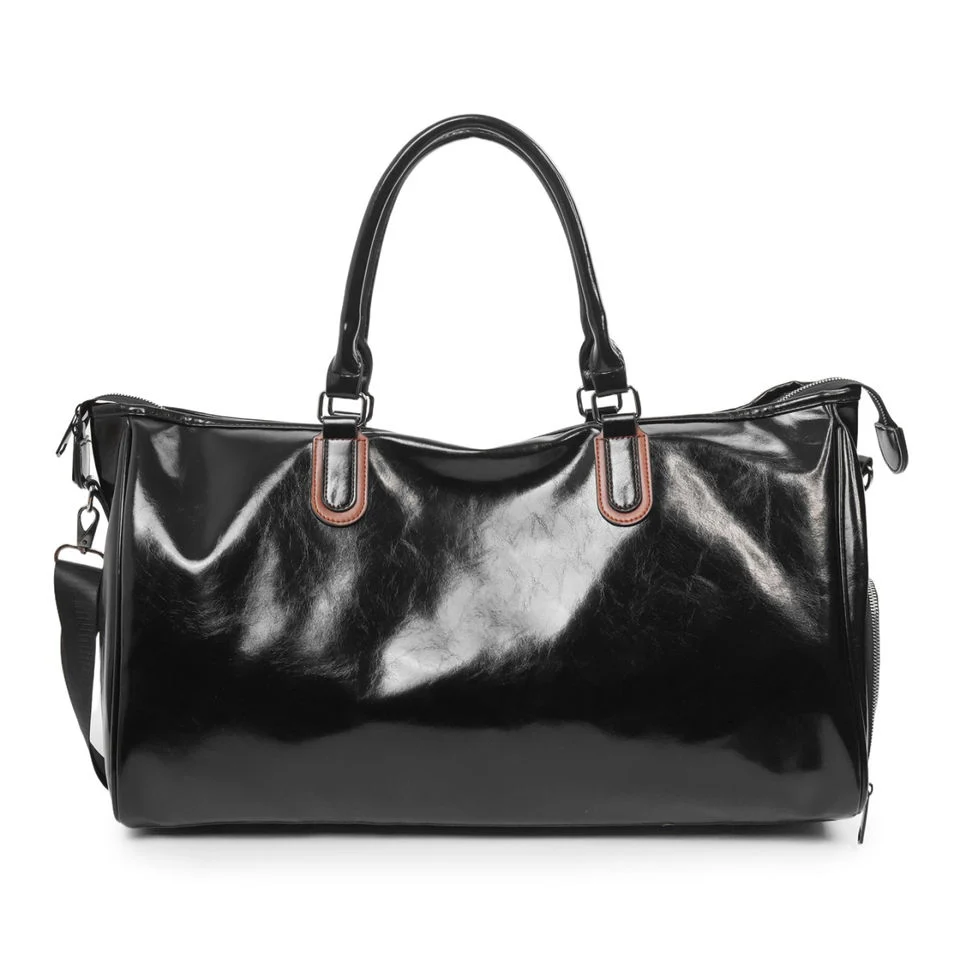
Waterproof PU Travel Duffel with Shoe Compartment
View product reference →Need help applying this guide to a product?
Send the product reference, intended use, target market, and the details you want to confirm.