
Choosing a custom bag manufacturer is a project decision, not just a comparison of catalogue photos or headline prices. Buyers can reduce uncertainty by checking how a supplier interprets the specification, develops samples, documents quality, supports required compliance, and explains the commercial assumptions behind a quote.
Check project fit and technical communication
Share a representative brief and observe whether the supplier asks about use, dimensions, materials, branding, quantity, market, and packaging. Clear questions and written summaries make it easier to identify assumptions before they become sample revisions or production disputes.
Use a relevant product page, such as the travel duffel reference, to discuss how the supplier handles an existing style and a customized version. Confirm the product’s current details rather than assuming the listing covers every requested change.
Use the same brief with each candidate supplier and compare the questions they ask, the assumptions they record, and how they explain unresolved details. This gives a more useful comparison than requesting headline prices from different specifications.
Review samples and documented processes
Evaluate whether the sample reflects the agreed materials, size, construction, artwork, and packing. Ask how changes are recorded, how the approved sample is identified, and which inspection points can be documented for the project.
Request evidence that is relevant to your order: process descriptions, inspection records, material documents, test reports, or facility information as applicable. Verify the scope, issuing organization, product, and validity of any certification or report before relying on it.
Ask who will handle technical clarification, sample feedback, production updates, quality records, and export paperwork. Confirm the contacts and responsibilities for your own order rather than assuming the company profile describes the exact project team.
Verify capacity and compliance claims
If production scale, employee count, facility size, or monthly capacity matters, ask what the figure describes, how it is current, and what evidence is available. Distinguish a supplier’s stated capacity from the capacity reserved for your order and schedule.
Identify the regulations, retailer standards, labeling rules, and tests required for the target market. Ask the supplier what documentation they can provide, then verify that it covers the exact product and material. Do not treat a general factory certificate as proof that every bag meets every market requirement.
When reviewing a test report or certificate, match the named company, product, material, test scope, issuing body, and validity dates to the requirement. If the evidence is not clear or does not cover the chosen bag, request clarification before relying on it.
Compare complete commercial proposals
Compare quotes against the same specification, sample scope, quantity breakdown, colors, logo, packaging, inspection, shipping terms, and payment schedule. Ask for assumptions and exclusions in writing. A lower initial quote may not cover the same components or service scope.
Keep product, sample, approval, change, and shipment records together. A useful supplier relationship has clear communication, traceable decisions, and a process for resolving issues—not only an attractive catalogue or a broad claim of capability.
A practical evaluation scorecard can compare specification understanding, sample accuracy, traceability, documented quality, communication, project fit, and full commercial scope. Weight those criteria according to your brand and order risks, then retain the notes with the sourcing decision.
Buyer questions
What is the most useful first step when assessing a supplier?
Send a clear, representative brief and review the supplier’s questions, written assumptions, and proposed sample scope.
Should I rely on a supplier’s certification logo on a website?
No. Request the relevant certificate or report and verify the issuer, scope, product coverage, and validity for your project.
Styles mentioned in this guide
These are product references, not a promise of stock or fixed specifications. Open a style page to review its current details.
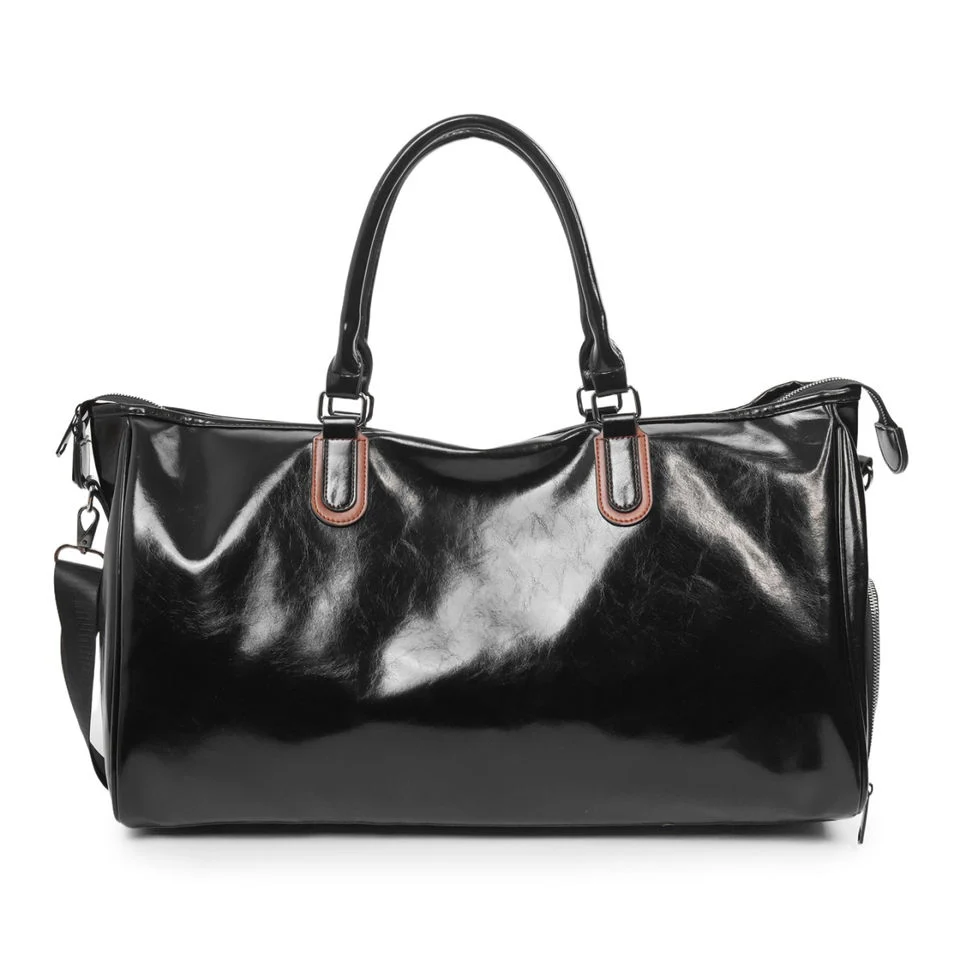
Waterproof PU Travel Duffel with Shoe Compartment
View product reference →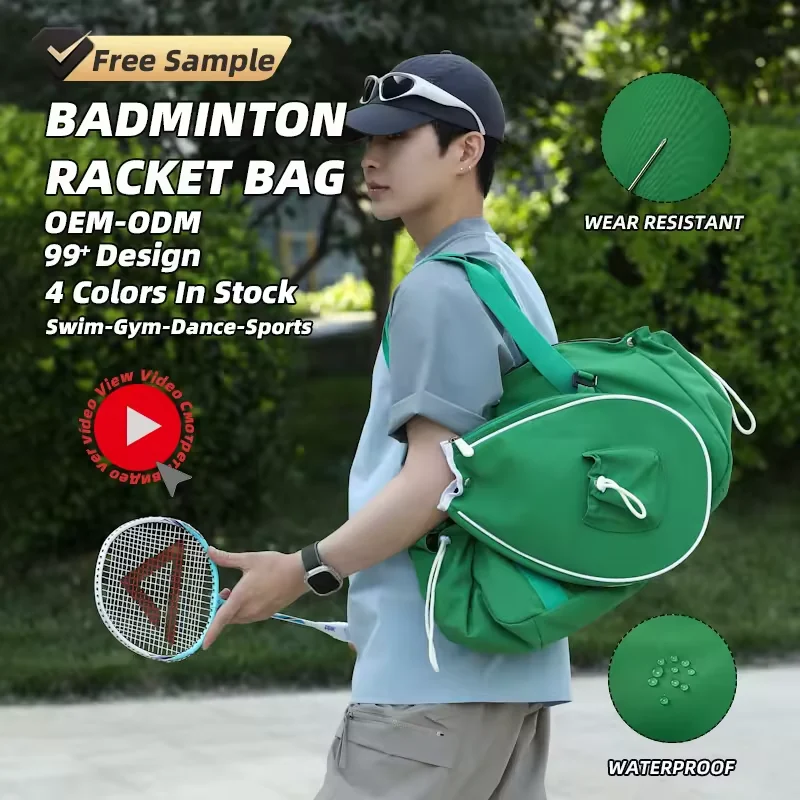
40L Polyester Tennis and Badminton Racket Bag
View product reference →Need help applying this guide to a product?
Send the product reference, intended use, target market, and the details you want to confirm.