
The term dry bag can cover products with different designs and performance levels. Buyers should define the water exposure, contents, closure method, carry style, and expected test result before choosing a product. This helps distinguish a visual reference from a confirmed performance specification.
Describe the environment and contents
Explain whether the bag is for kayaking, boating, hiking, fishing, swimming, or another outdoor activity. Identify the items it should carry and the kind of water exposure expected: spray, rain, brief immersion, or another defined condition. These use cases are not interchangeable.
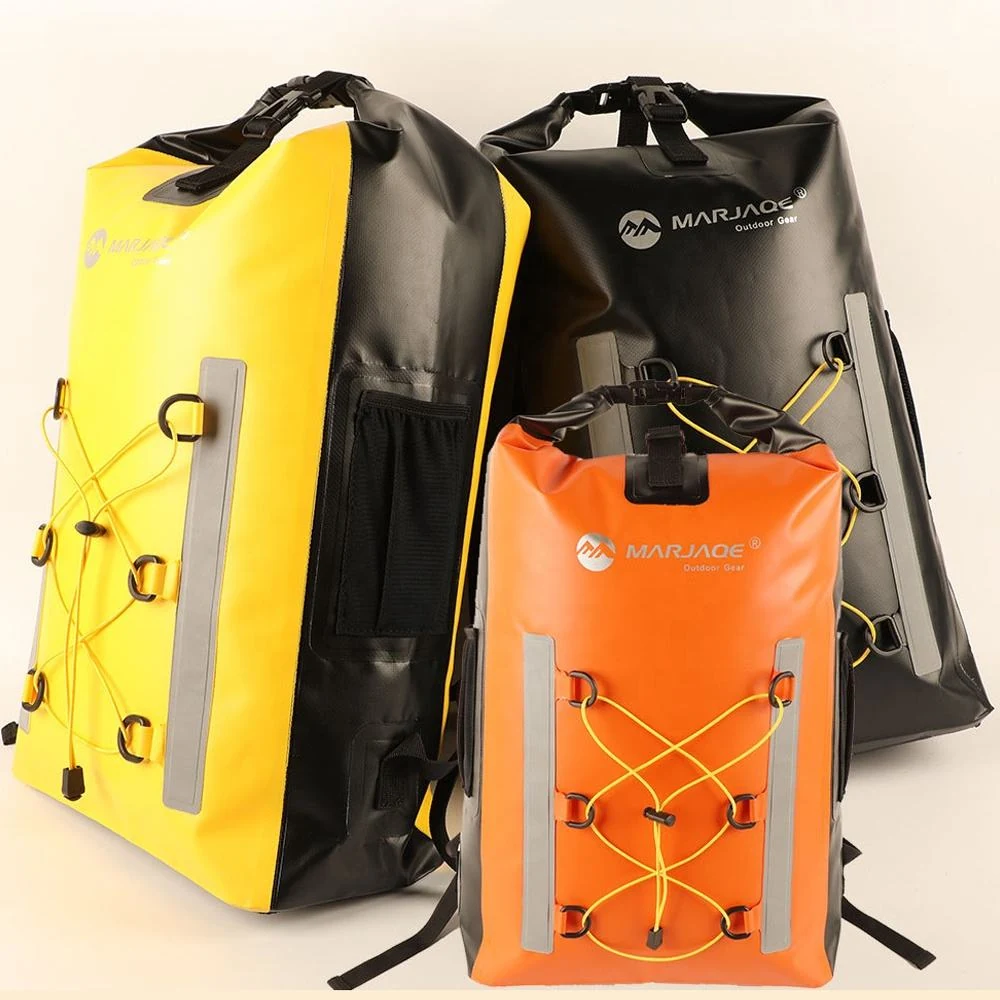
Provide the dimensions and approximate contents. A dry-bag backpack reference can help discuss carry format and external storage, but the listing should not be treated as proof of a particular water-protection level.
Translate the activity into a defined exposure scenario: rain on a commute, paddle splash, temporary contact with water, or a stated immersion condition. Identify the contents that must stay dry and whether condensation or repeated opening is part of the use.
Choose the closure and carry format
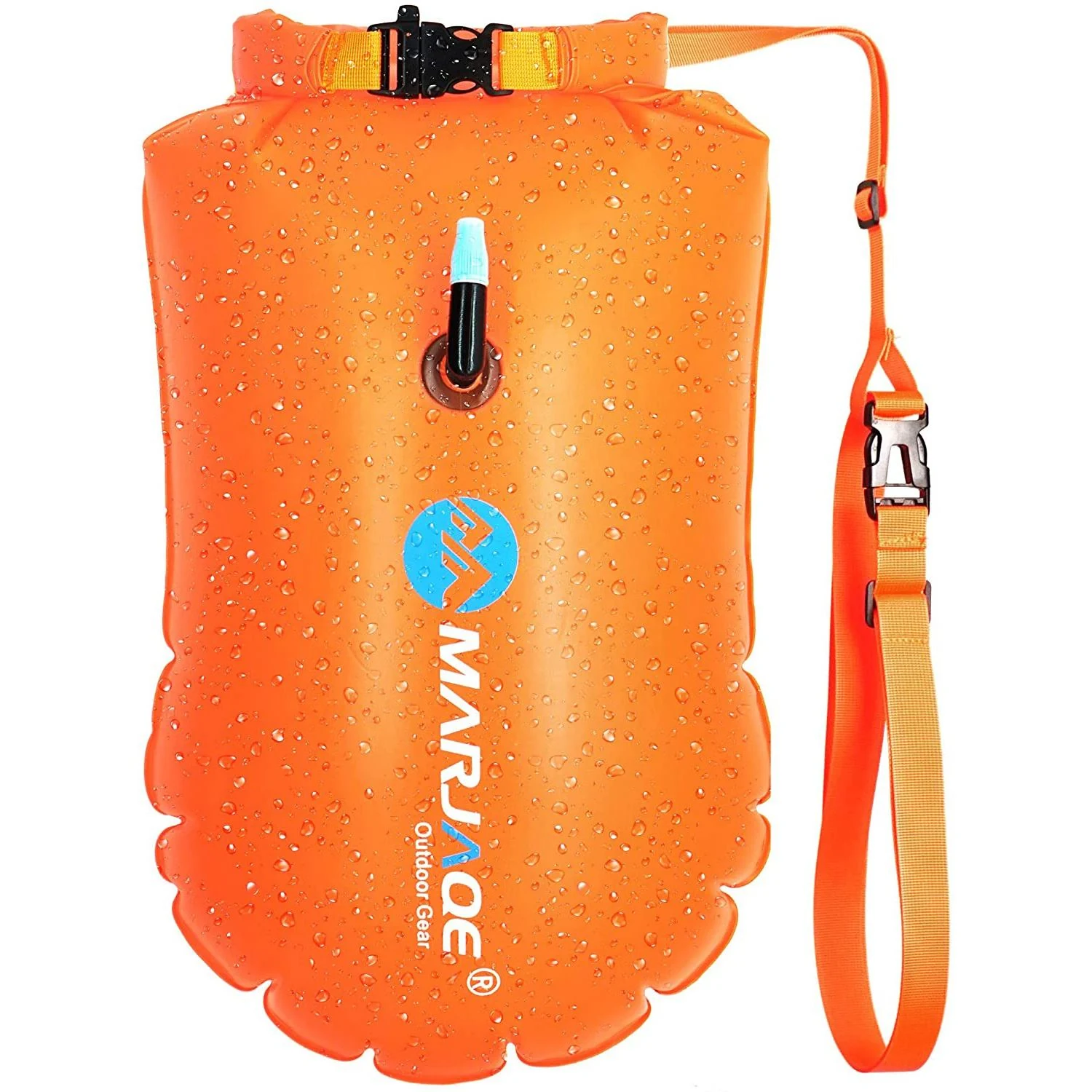
Specify whether the design uses a roll-top, zipper, flap, or another closure and how many closure rolls or steps the user should make if relevant. Ask how the closure works with the intended opening size and contents, then assess it on a sample.
Decide between a handheld sack, shoulder bag, backpack, or a combination. State strap adjustment, attachment points, handle placement, external pockets, and any accessory loops. Review how those components affect access and the intended use.
For a roll-top, specify the opening width and the amount of usable capacity after the closure is rolled and secured. Check that a user can operate it with the expected contents and that external fittings do not interfere with closing the mouth.
Define materials, seams, and performance evidence
List the preferred shell, coating or laminate if specified, lining, webbing, hardware, and reinforcement. Ask the supplier to identify the exact construction and material information available for the selected reference; do not infer a rating from a product name or fabric description.
If water resistance is essential, provide the test method, conditions, sample preparation, and acceptance criteria required by your brand or customer. Agree how seams and closures will be checked, and use only supported performance language in product descriptions.
Ask for the material and seam details available for the selected construction, including any coating or joining method the supplier can verify. Agree whether a test will be conducted on the material, finished seam, or complete filled bag because those checks answer different questions.
Review and document the sample
Check the closure cycle, seam finish, attachment points, dimensions, access, and comfort with representative contents. If the project has a water-exposure target, arrange an agreed test rather than relying on an informal splash check.
Keep the approved sample, material details, test results if any, and production notes together. A quote brief should include the use environment, target performance, quantity, market, logo, packaging, and delivery assumptions.
Define the test setup in writing, including sample conditioning, closure procedure, exposure time, depth or spray conditions, and inspection method. If the bag is for safety-critical equipment, obtain appropriate specialist review and avoid relying on an informal demonstration.
Buyer questions
Are all dry bags suitable for immersion?
No. Suitability depends on the product construction and tested performance. Confirm the conditions and evidence for the exact style.
Can a dry bag include a backpack harness or external pocket?
Those details depend on the design. Share the intended use and ask the supplier to review the construction and sample requirements.
Styles mentioned in this guide
These are product references, not a promise of stock or fixed specifications. Open a style page to review its current details.
Need help applying this guide to a product?
Send the product reference, intended use, target market, and the details you want to confirm.