
Lunch and cooler bags are often marketed with broad performance language. A sourcing brief should instead define what the user carries, how long the bag is used, how it is cleaned, and what insulation or containment result the buyer expects. Then the supplier can discuss construction and the evidence needed for the selected project.
Define the use and the performance target
State whether the bag is for a work lunch, school, picnic, delivery, or another use. List typical contents, container dimensions, expected packed volume, and how long the bag should be used between packing and opening. These facts help establish the target rather than leaving ‘insulated’ undefined.
A double-layer lunch bag reference can start a design discussion. Its product page is a style reference; confirm the exact shell, lining, insulation, and any performance evidence for the version you intend to source.
A useful performance brief states the starting condition, contents, ambient conditions, duration, closure setup, and how the result will be measured. Buyers may have different expectations for a packed lunch, chilled drinks, or a delivery route, so describe the real use case.
Specify the interior, closure, and care needs
Describe the lining, insulation layer, seams, top closure, handle, pockets, and base. If the user needs to clean the inside, explain the expected cleaning method and ask the supplier to confirm whether the proposed materials and construction are suitable.
If leak containment is important, specify what must be contained, for how long, and how the sample will be evaluated. A zipper, lining, or ‘cooler’ label does not by itself establish leakproof or temperature-retention performance.
Confirm the shape and dimensions of the lunch containers, ice packs, or bottles the bag must hold. Check whether the opening is wide enough to load them and whether the base remains stable with the intended weight.
Plan size, organization, and branding
Give width, height, depth, and dimensions of the containers to be carried. Decide whether the bag needs a bottle pocket, divider, cutlery sleeve, name area, or separate outer pocket. Review access and fit with representative containers during sampling.
Provide artwork, logo placement, colors, and any labels or packaging requirements. Confirm the exact material and color references, since a photograph or a broad material name may not capture every production detail.
Discuss how the lining, seams, zipper, and insulation layer interact. If cleaning or leak containment matters, agree the precise evaluation steps before sampling; a foil-looking lining or insulated label does not establish a particular result.
Agree how the sample will be evaluated
Before a performance claim is printed or advertised, agree on an appropriate test method, conditions, sample setup, and acceptance criteria with the supplier. Requirements should reflect the buyer’s market and intended use; do not rely on an unspecified pass/fail standard.
A complete inquiry includes the use case, target volume, contents, dimensions, performance goal, logo, market, and packaging. Ask for the sample scope, test options, order quantities, and timing for the chosen style.
Keep product copy aligned with evidence for the final construction. If the program needs a temperature-retention or leak-resistance statement, retain the test method and results for the actual material and construction, and review the claim for the destination market.
Buyer questions
Does an insulated bag keep food cold for a guaranteed time?
Not without a defined test and evidence for the exact construction and conditions. Specify the target and agree how it will be validated.
What information helps quote a lunch bag?
Share the contents and dimensions, intended use, outer and lining preferences, insulation goal, closure, branding, quantity, and destination market.
Styles mentioned in this guide
These are product references, not a promise of stock or fixed specifications. Open a style page to review its current details.
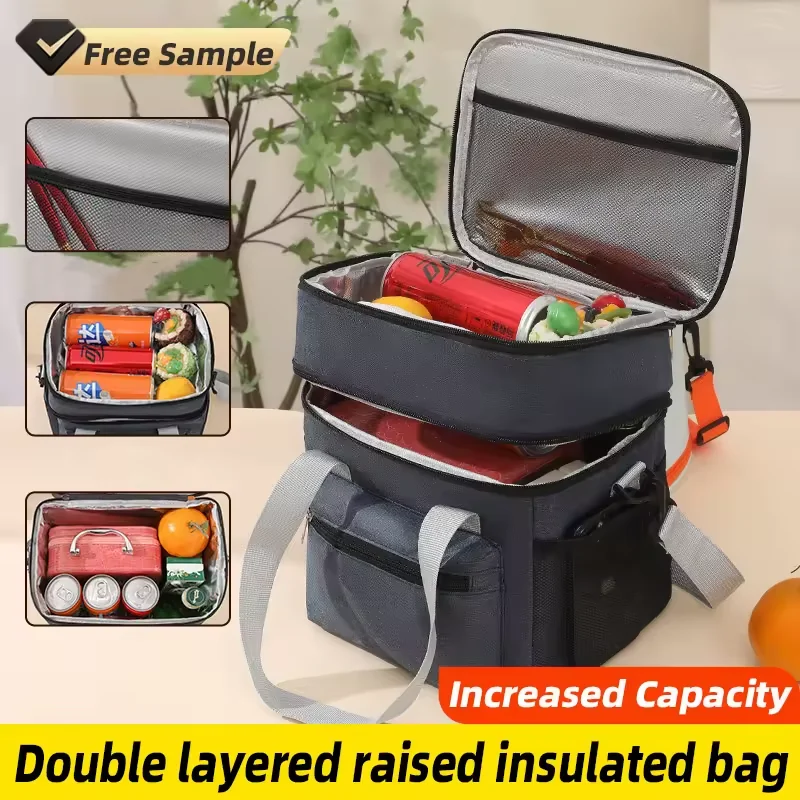
600D Oxford Insulated Double-Layer Lunch Bag
View product reference →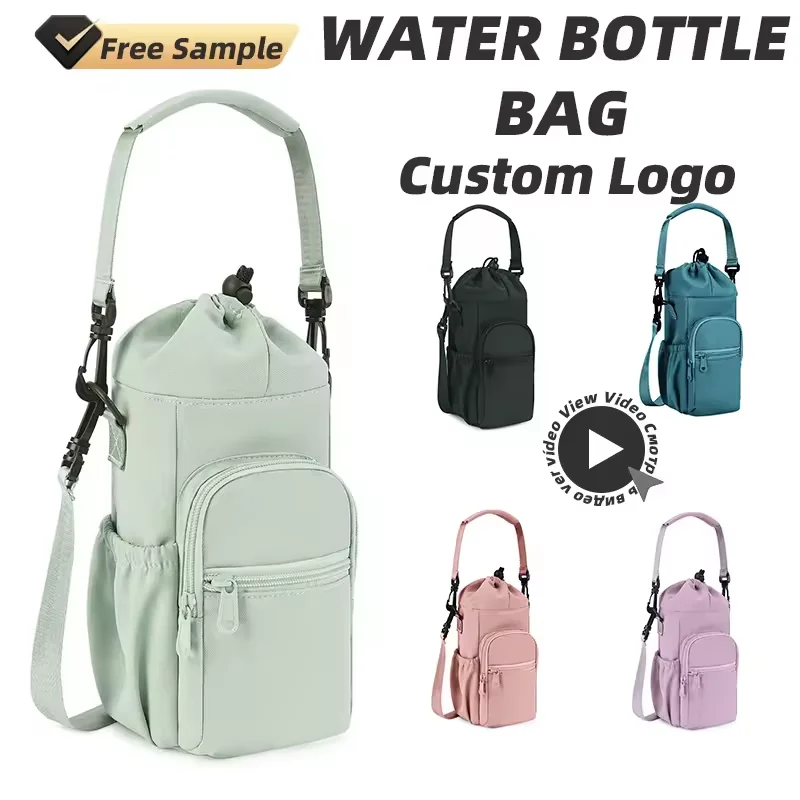
5L Insulated Crossbody Bottle Bag with Phone Pocket
View product reference →Need help applying this guide to a product?
Send the product reference, intended use, target market, and the details you want to confirm.