
A travel duffel can be designed for a weekend trip, a gym visit, team travel, or a retail collection. Those uses lead to different requirements for capacity, access, compartments, carry comfort, materials, and packing. Define the use case first, then ask a supplier to confirm the construction and options for the specific style.
Start with the trip and the contents
Describe the intended trip length, user, sales channel, and typical contents. A duffel for clothing and shoes has different organization needs from a bag intended for sports equipment or a short business trip. If possible, provide a simple list of items or photographs with approximate dimensions.
Capacity is helpful for comparing concepts, but it does not show the opening size, usable shape, or how the compartments are arranged. Give approximate width, height, and depth, and identify which measurements are important for your product program.
A simple packing list can make this discussion concrete: one pair of shoes, two changes of clothing, a toiletry pouch, and a laptop each occupy space differently. Ask the team to check both the bag dimensions and the usable opening against the actual set of items.
Plan compartments and carry options
Decide whether the design needs a shoe area, wet-and-dry separation, exterior access, an interior pocket, or a luggage pass-through. Explain which items should be separated and how often the buyer needs to reach them. A feature name alone does not define the lining, closure, or construction required.
Choose hand carry, shoulder carry, or both. Confirm handle drop, strap adjustment, attachment points, and the way the bag sits when loaded. A travel duffel reference with a shoe compartment can help start the conversation; verify the current material and details on its product page.
For a separate shoe compartment, confirm its position, lining, access direction, approximate dimensions, and how it affects the main compartment. Decide whether the shoe area should be reachable from outside and how it will be cleaned or aired after use.
Specify materials, closures, and branding
List the preferred outer material, lining, colors, zipper, webbing, hardware, reinforcement, and logo treatment. If you are open to alternatives, state the priority—appearance, structure, weight, organization, or target cost—so the supplier can compare suitable options instead of guessing.
For a private-label range, also consider labels, hangtags, dust bags, or other packaging. Confirm logo artwork, placement, dimensions, and color on the actual sample or an agreed production-representative proof.
If the bag has a structured base, multiple panels, or contrasting colors, identify which materials and trims must match across the body. For artwork or a logo, provide a vector file where available and mark the intended size and placement on a reference image.
Review a sample against a written brief
Check the sample’s measurements, opening, pocket access, strap adjustment, attachment points, material, color, and branding. Put feedback in a numbered list and identify the sample version so the next revision can be compared consistently.
Before asking for a quote, share the use case, target market, approximate quantity, dimensions, and the features that are essential. Confirm sample scope, minimum quantities, timing, and shipping separately for the chosen design; these are project-specific.
Compare the sample when empty and packed. Look for sagging, uneven balance, blocked pockets, strap interference, and whether the bag fits the intended luggage or storage space. Capture corrections against the sample version before requesting a revised quotation.
Buyer questions
Is a listed capacity enough to specify a duffel?
No. Add width, height, depth, the intended contents, opening dimensions, and the compartment layout so the supplier can understand usable space.
Can a shoe compartment be added to any travel bag?
It depends on the shape, materials, construction, and available space. Share the reference and request a feasibility review and sample confirmation.
Styles mentioned in this guide
These are product references, not a promise of stock or fixed specifications. Open a style page to review its current details.
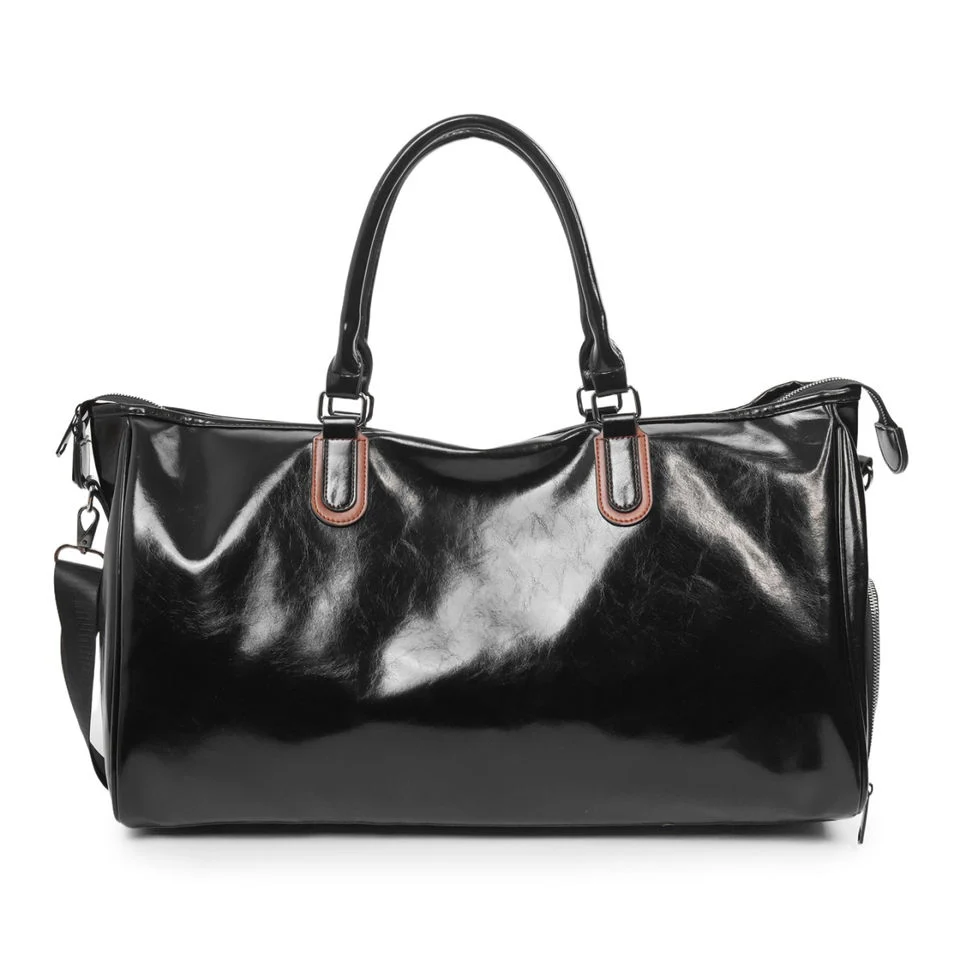
Waterproof PU Travel Duffel with Shoe Compartment
View product reference →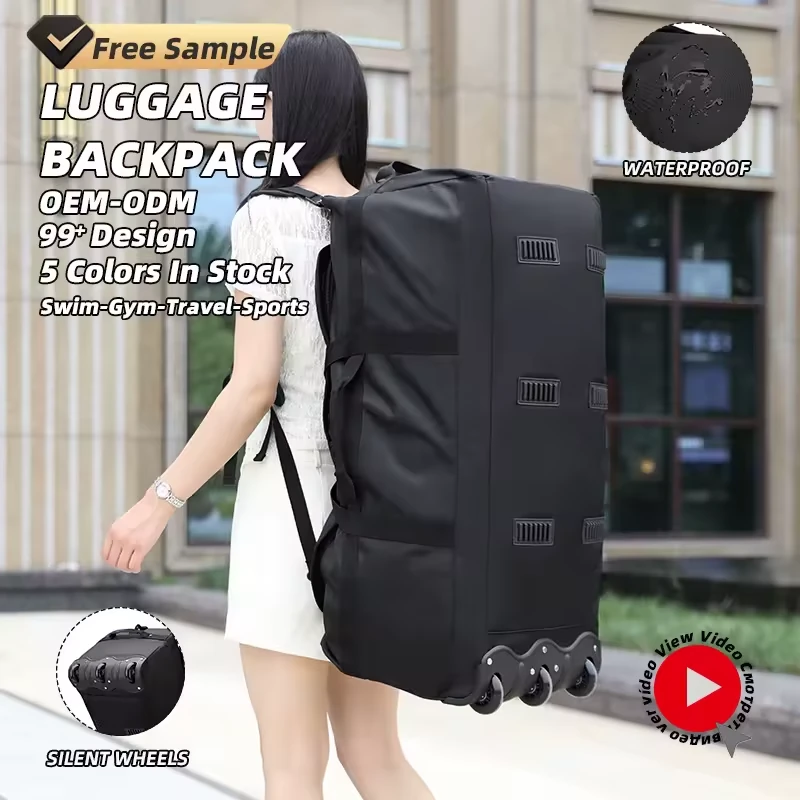
100L Oxford Rolling Travel Duffel with Directional Wheels
View product reference →Need help applying this guide to a product?
Send the product reference, intended use, target market, and the details you want to confirm.