
A bulk inspection is easier to manage when the buyer and supplier agree in advance what will be checked, how it will be checked, and what result is acceptable. This practical checklist helps organize those decisions around the approved sample and order specification; it does not replace a project-specific inspection plan or regulatory requirement.
Establish the approved reference
Before production, confirm the final specification, approved sample version, material and color references, artwork, quantity breakdown, labels, packaging, and any required tests. Make sure every document refers to the same product version and that unresolved points are clearly marked.
For a reference product such as the racket sports bag, separate details shown on the listing from requirements agreed for your order. The approved order specification, not a general product description, should guide inspection.
Separate critical, major, and minor issues only when the buyer and supplier have agreed what each class means for this order. Define examples such as a broken closure, incorrect logo, open seam, measurement outside tolerance, or small cosmetic variation.
Check materials and measurements
Agree which material, color, weight, finish, and trim details can be inspected and what evidence is required. State the measurement points, measurement method, and tolerances for the bag and any critical pocket, strap, or opening.
Avoid vague criteria such as ‘good quality’ or ‘same as photo.’ Identify the exact comparison sample, drawing, material swatch, or approved color reference. If the buyer has a defined inspection standard, provide it and agree how it applies to the order.
For measurements, name the points and method, state whether the bag is empty or filled, and define tolerances. Repeated measurements should use the same setup so factory and buyer results can be compared fairly.
Review construction, function, and branding
Define checks for stitching, seam alignment, zipper movement, closures, strap attachment, handles, reinforcement, and pocket access. The checks should reflect the intended use and the order’s documented requirements. Any load, abrasion, colorfastness, or other performance test needs a stated method and acceptance criteria.
Inspect decoration against the approved artwork and placement: size, color, orientation, position, and finish. Confirm labels, hangtags, and any printed information against the final files before packing.
If a functional test is required, record the equipment, cycle count or load, sample condition, method, and acceptance result. A visual inspection cannot confirm every performance characteristic, so assign separate checks where needed.
Document findings and packing
Record the date, product reference, order or batch, sample method, quantity inspected, results, photographs, and any corrective action. If an issue is found, identify its location and agree how affected units will be reviewed or corrected before the order proceeds.
Check folding, individual packing, carton count, marks, and shipping documents against the order plan. Agree who is responsible for inspection, when it occurs, and what records the buyer will receive. Inspection scope and timing should be confirmed for each project.
Agree the inspection date, sampling scope, reporting format, escalation contact, and decision process before production is complete. Keep photographs and corrective actions tied to the item, batch, and approved specification revision.
Buyer questions
Should I use a standard AQL level for every bag order?
Use the inspection standard and acceptance criteria agreed for your project. Do not assume a standard or sampling level applies unless the buyer and supplier have specified it.
When should inspection requirements be agreed?
Before production, alongside the final specification, approved sample, tests, packaging, and order terms.
Styles mentioned in this guide
These are product references, not a promise of stock or fixed specifications. Open a style page to review its current details.
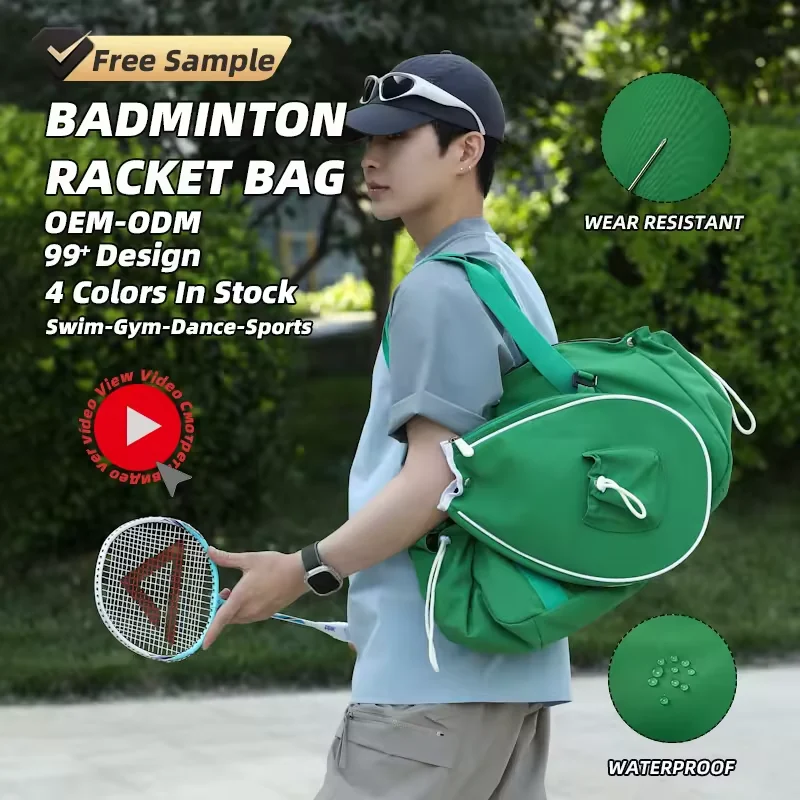
40L Polyester Tennis and Badminton Racket Bag
View product reference →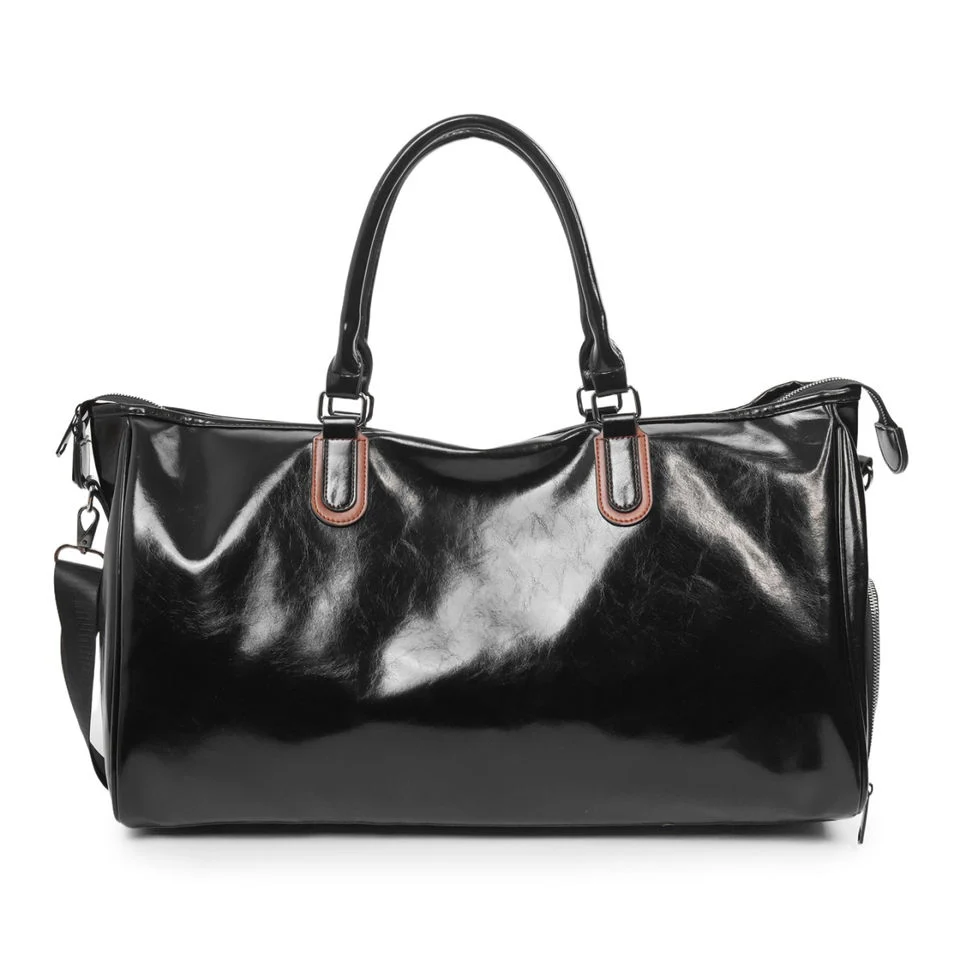
Waterproof PU Travel Duffel with Shoe Compartment
View product reference →Need help applying this guide to a product?
Send the product reference, intended use, target market, and the details you want to confirm.