
Novelty bags can stand out through a distinctive silhouette, but buyers still need to define how the bag opens, what it holds, how it is carried, and how the shape will be constructed. A clear brief helps turn a visual idea into a product that can be sampled and reviewed.
Describe the idea and the intended customer
Share a sketch, reference image, or physical sample, then state the target customer, market, occasion, and sales channel. Decide whether the shape is mainly decorative, intended for regular use, or expected to do both.
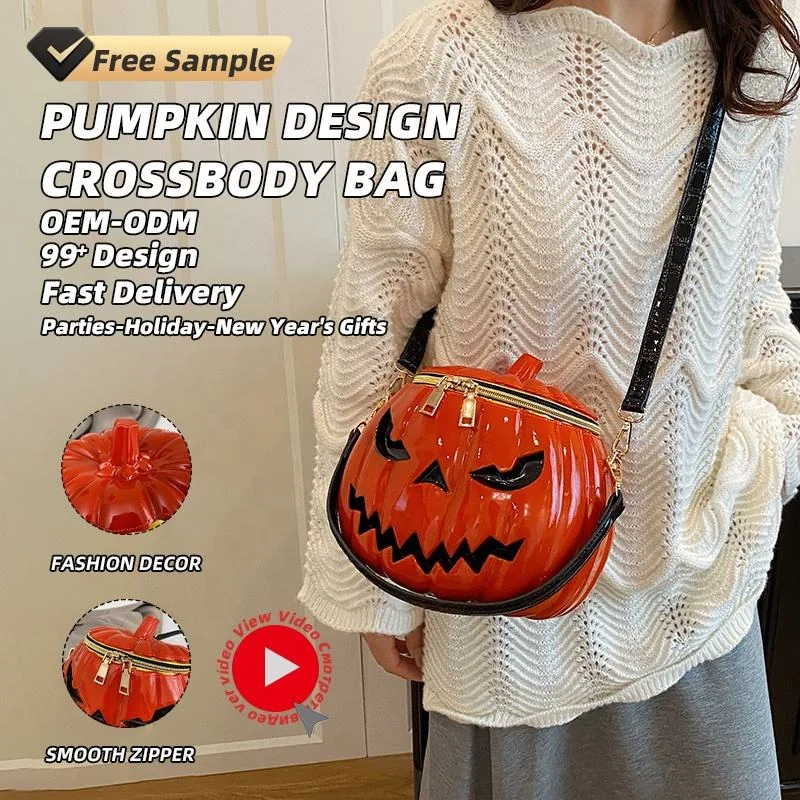
Henry Outdoor’s current novelty range includes a pumpkin-shape crossbody, a star-shape handbag, a flower-shape handbag, an ice-cream-shape crossbody, and a milk-carton novelty purse. These product pages offer concrete references for discussing different silhouettes.
Balance the outside shape with usable space
Define the overall dimensions, opening, closure, interior space, and the items the bag should carry. An outline can look appealing but leave little room inside or make access difficult, so review the inside layout and opening with the sample.
Identify where seams, panels, handles, straps, and closures cross the shape. Ask how those details may affect the silhouette, strength, or available logo area.
Plan materials, color, details, and branding
Choose the material and finish in relation to the shape, target price positioning, surface appearance, and intended use. Confirm trim, zipper, hardware, strap attachment, lining, and logo placement for the actual construction.
If the concept uses a licensed character, artwork, or protected brand element, confirm that you have the rights and provide approved artwork. A general shape or theme should not be confused with permission to use another party’s intellectual property.
Review the sample from product and merchandising angles
Check whether the finished bag reads clearly as the intended shape, stays consistent when filled, opens comfortably, and carries as expected. Also review color, decoration, seams, packaging, and how the style will appear in product photos or retail presentation.
Record any changes against the sample version. Confirm the final specification, order quantities, and timing directly with the supplier before making commitments to a seasonal launch.
Buyer questions
Can any drawing be turned into a bag?
A drawing is a useful starting point, but the supplier needs to review the shape, material, opening, construction, and intended function before confirming feasibility.
How do I protect a novelty design?
Share only artwork and design materials you are authorized to use, and discuss the appropriate confidentiality and intellectual-property arrangements with your supplier and advisers.
Styles mentioned in this guide
These are product references, not a promise of stock or fixed specifications. Open a style page to review its current details.
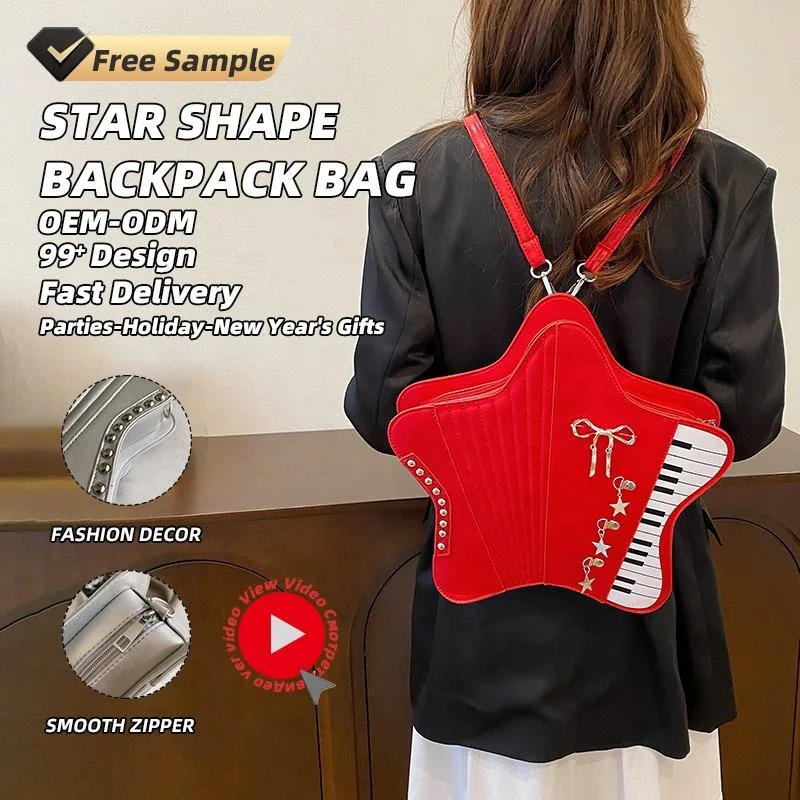
Star-Shape PU Handbag with Adjustable Strap
View product reference →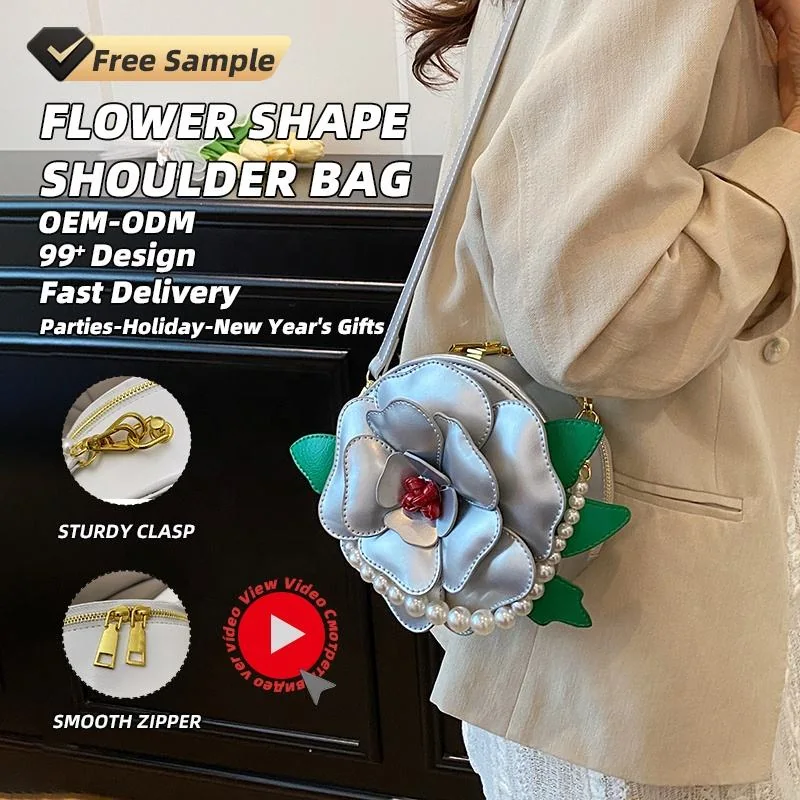
Flower-Shape PU Handbag with Pearl Handle
View product reference →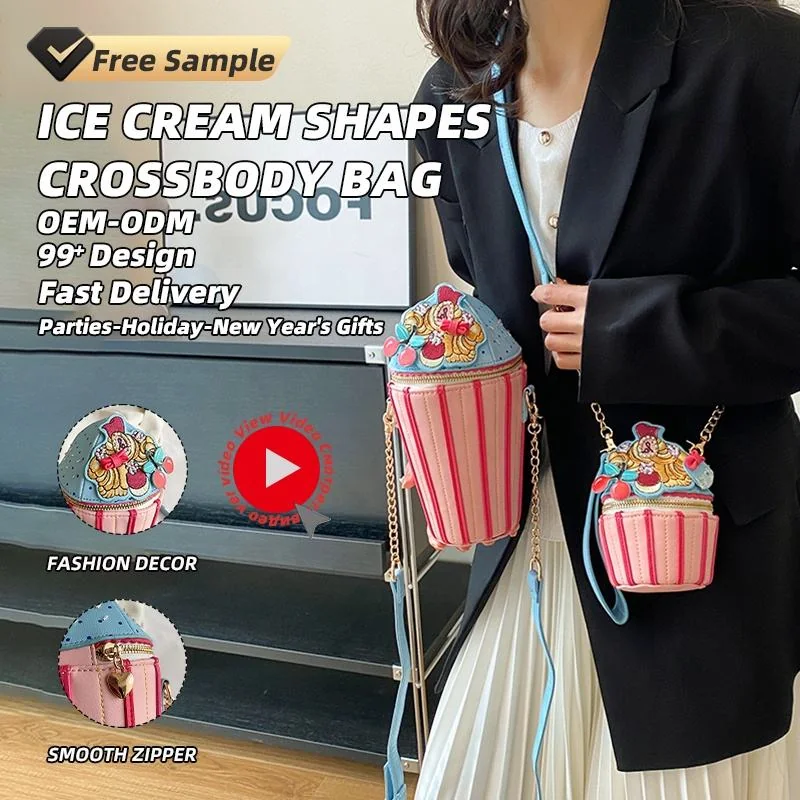
Two-Style Ice-Cream Shape PU Crossbody Bag
View product reference →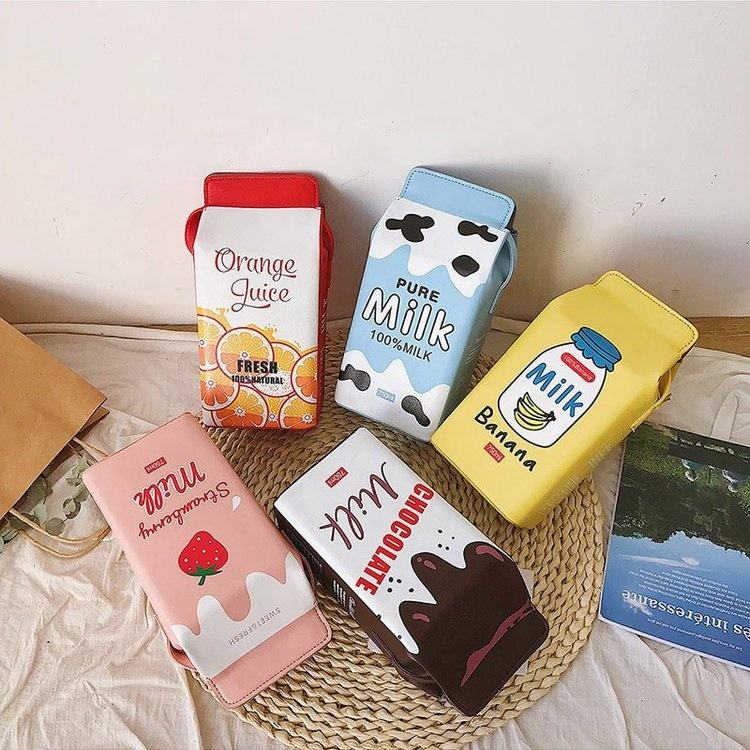
Need help applying this guide to a product?
Send the product reference, intended use, target market, and the details you want to confirm.