
Material names alone are not enough to define a bag specification. Buyers should connect the material choice to the intended use, construction, appearance, weight, lining, branding, and the requirements of the target market.
Start with the use and the desired hand-feel
A daily tote, structured travel bag, beach style, and transparent event bag may need different material properties and construction. Describe how the bag will be used, what it needs to carry, and whether the priority is shape, surface appearance, weight, flexibility, or easy organization.
The customization reference prepared for Henry Outdoor shows example options including Oxford 600D, nylon, and Taslon. Treat those as discussion starting points: confirm exact composition, construction, colors, and suitability for the selected product before quoting or making performance claims.
Consider the whole construction, not just the shell
The lining, reinforcement, foam, handles, webbing, zipper, hardware, and seams all affect the finished bag. A shell material that looks right may still need a different lining or support to meet the intended shape and use.
For woven or straw-style bags, ask what material and construction are used, how the handles and closure are attached, whether a lining is included, and which trims are available. The embroidered straw tote reference is one example for discussing surface decoration and color direction.
Check color, branding, and sample compatibility
Color can look different across materials, finishes, and lighting. Share a target reference where possible and ask how color approval will be recorded. Also confirm that the desired logo method is suitable for the chosen surface and placement.
If you are comparing alternatives, ask for representative swatches or a sample. Record the approved option by material name and reference—not only by a screen image or informal color description.
Ask questions that turn a material name into a specification
Before approval, ask for the exact material description, relevant lining and reinforcement, available colors, finish, logo compatibility, and any test documentation needed for your market. If water resistance, durability, or another performance attribute matters, define how it should be evaluated rather than relying on a general label.
Keep an open mind about alternatives, but compare them against the same use case and acceptance criteria.
Buyer questions
Is the fabric name enough for a production order?
Usually not. Confirm the exact material specification, lining, color, finish, and construction for the selected bag, and keep the approved reference with the order documents.
Can I choose a logo process before choosing the material?
You can identify a preference, but confirm that it suits the chosen material, artwork, placement, and sample. The final combination should be reviewed together.
Styles mentioned in this guide
These are product references, not a promise of stock or fixed specifications. Open a style page to review its current details.
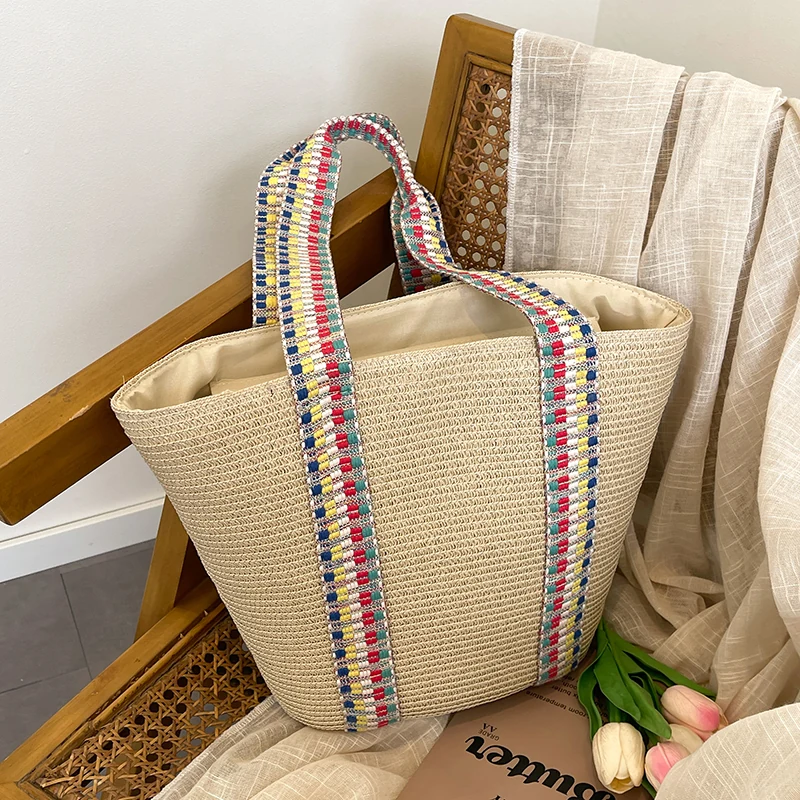
Hand-Embroidered Straw Beach Tote in Five Colors
View product reference →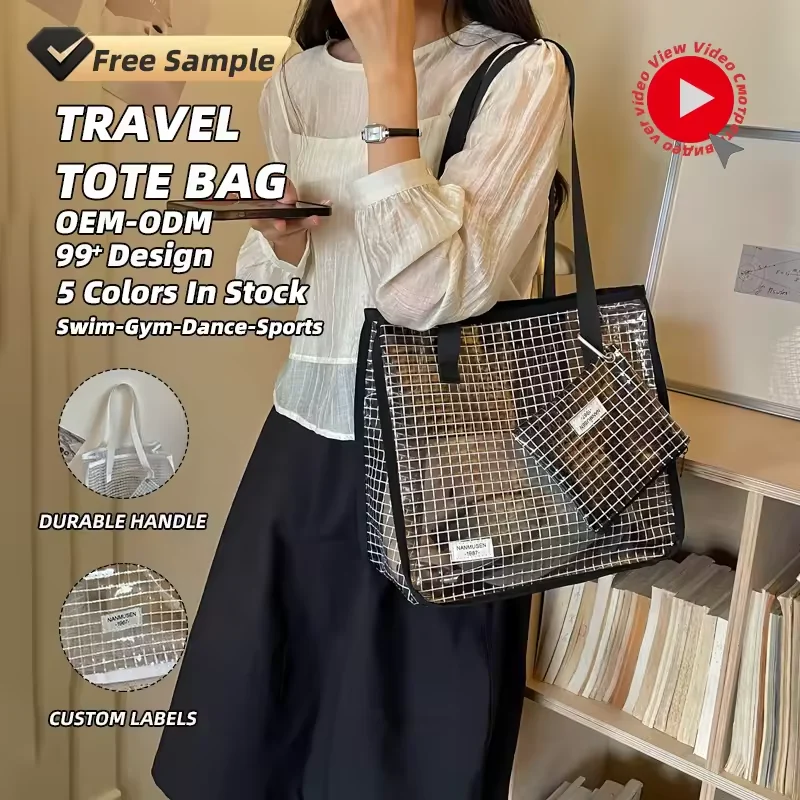
17 L Clear PVC Tote for Beach & Travel
View product reference →Need help applying this guide to a product?
Send the product reference, intended use, target market, and the details you want to confirm.