
A sample review should answer one question: does this version match the specification the buyer intends to approve? Check the bag systematically, record issues clearly, and keep each round of feedback tied to a sample version.
Check dimensions, opening, and storage
Measure the width, height, depth, handle drop, and strap range that matter to the brief. Check the opening size and whether each pocket or compartment can hold the intended items.
For specialized layouts such as shoe storage or wet/dry organization, confirm the dimensions, lining, closure, and access method. Product names alone do not define the functional specification.
Inspect materials and construction details
Compare the outer material, lining, colors, zipper, hardware, webbing, seams, reinforcement, and attachment points with the approved choices. Note differences in a specific location—for example, “inside left pocket opening” is clearer than “pocket is wrong.”
If appearance or performance depends on a requirement that cannot be judged visually, agree on the applicable check or evidence with the supplier before approval.
Review branding and packaging
Check logo size, placement, orientation, color, and finish against the artwork and approved mockup. Confirm label wording and position, then check that packaging protects the bag and reflects the agreed retail or shipment plan.
A simple photo record with notes, measurements, and sample version can help buyer and supplier refer to the same points during revisions.
Close the review with a clear decision
Separate feedback into “approved,” “revise,” and “confirm.” When the sample is approved, keep the approved version and final specification together, including artwork, colors, packaging, and any acceptance criteria for the order.
Do not treat an unreviewed change as automatically approved for bulk production. If a material, color, or construction detail changes, ask whether another confirmation is needed.
Buyer questions
Should I approve a sample based on photos?
Photos can help with an initial review, but measurements, material feel, compartment access, and construction may require a physical sample or an agreed alternative check.
What if the sample is close but not exact?
Document each difference and decide whether it is acceptable, needs revision, or requires further confirmation. Keep the decision tied to the sample version.
Styles mentioned in this guide
These are product references, not a promise of stock or fixed specifications. Open a style page to review its current details.
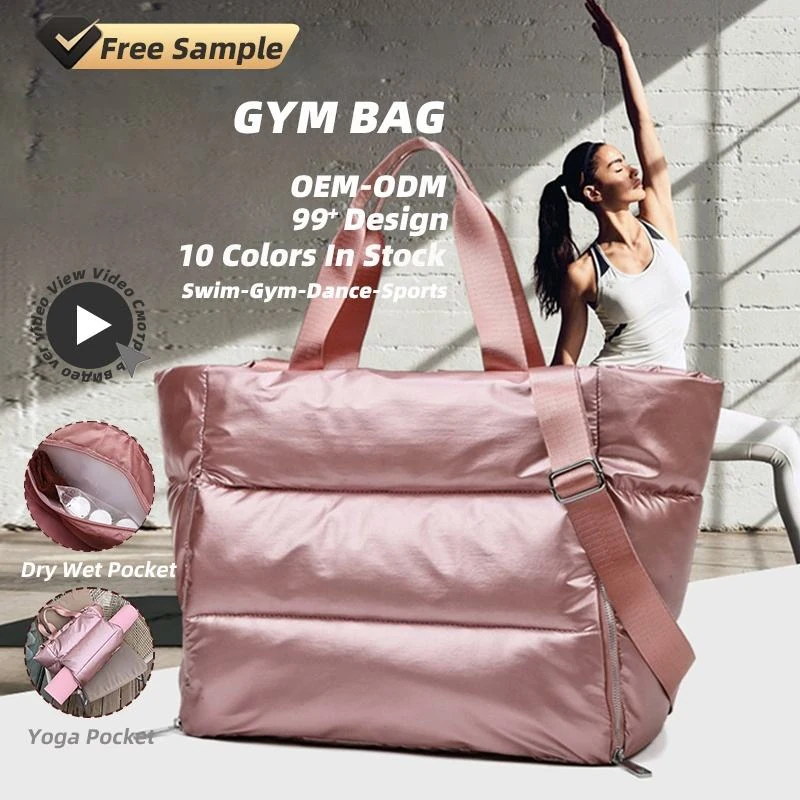
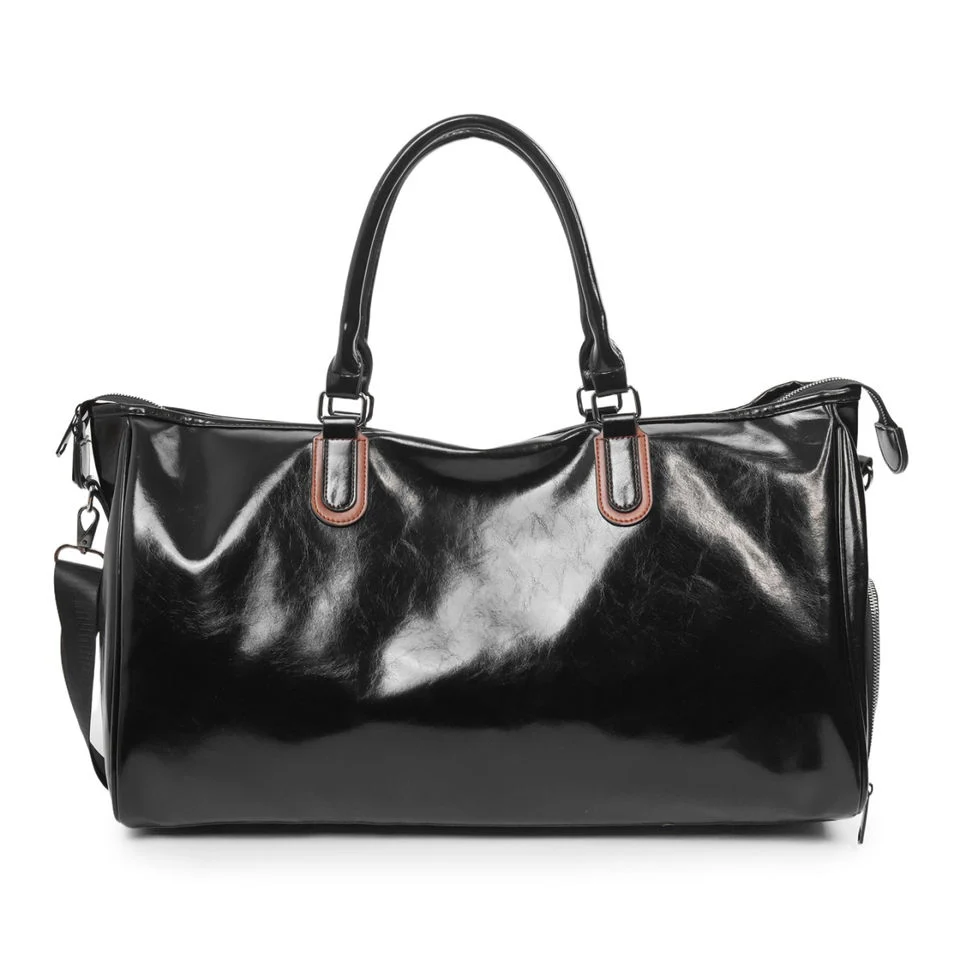
Waterproof PU Travel Duffel with Shoe Compartment
View product reference →Need help applying this guide to a product?
Send the product reference, intended use, target market, and the details you want to confirm.