
Every bag project is different, but buyers can make the process easier to manage by moving through a clear set of decisions: define the use, align the specification, review a sample, approve the final details, and confirm how the order will be inspected and packed.
Step 1: define the brief and the non-negotiables
Start with bag type, end user, market, approximate dimensions, target quantity, and launch window. Then identify what is essential—such as a shoe section, transparent body, themed silhouette, or logo location—and what can be adjusted.
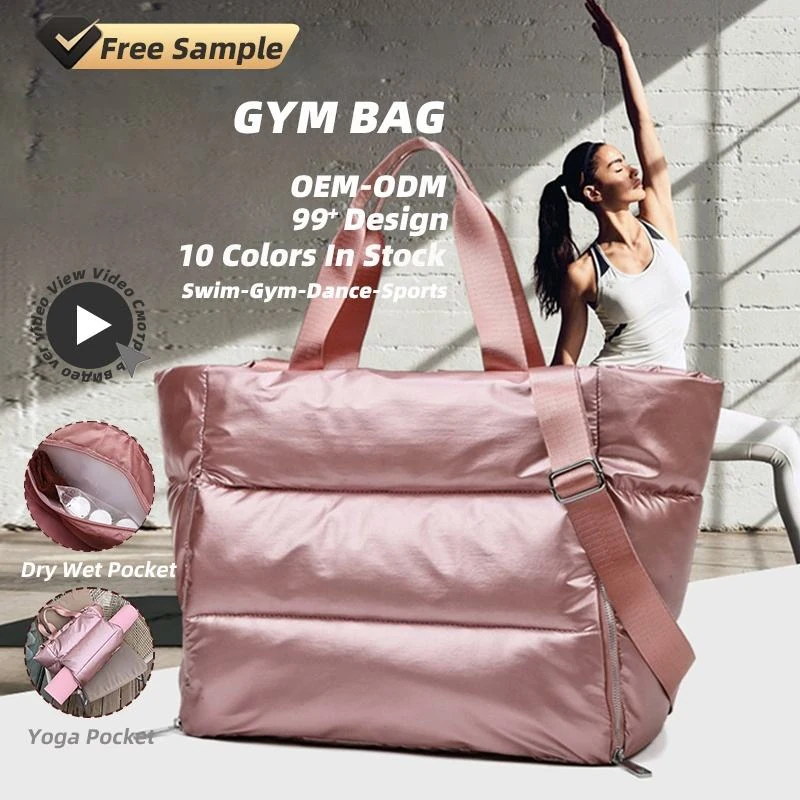
A concrete reference can help. A gym duffel, for example, may need different pocket organization from a travel weekender even when the two formats look similar. The quilted yoga and gym duffel is one current reference for discussing active-use storage and carry options.
Step 2: align materials, construction, and branding
Confirm the outer material, lining, colors, zipper, webbing, hardware, reinforcement, pockets, and decoration. If a detail is still under review, record the alternatives instead of treating a placeholder as final.
For branding, specify artwork, placement, approximate size, color, and preferred application. Packaging and labels should be discussed before sampling if they affect the bag, retail presentation, or packed dimensions.
Step 3: review and document the sample
Check the sample against the agreed brief: measurements, opening, pocket access, materials, color, logo placement, and overall use. Send feedback as a numbered list and identify the sample version or date so revisions remain clear.
If a requirement cannot be checked visually—such as a specific performance target—agree what evidence or test method is needed before approving it. Do not rely on a broad product description as a substitute for a confirmed requirement.
Step 4: approve the final specification
Before bulk production, make sure the approved sample, specification, artwork, color references, packaging, quantity breakdown, inspection points, and shipping plan all refer to the same version. Keep written approval records for the details that matter to your order.
Production and shipping timing depend on the confirmed project, materials, order plan, and destination. Ask for a project-specific schedule rather than assuming one timeline fits every style.
Buyer questions
When should I approve a sample?
Approve it after checking the agreed design, size, materials, branding, and functional details. If changes are required, document them before the next version is made.
Can the supplier confirm lead time before the specification is final?
A preliminary estimate may be possible, but timing should be reconfirmed once the materials, quantity, sample status, and order requirements are clear.
Styles mentioned in this guide
These are product references, not a promise of stock or fixed specifications. Open a style page to review its current details.
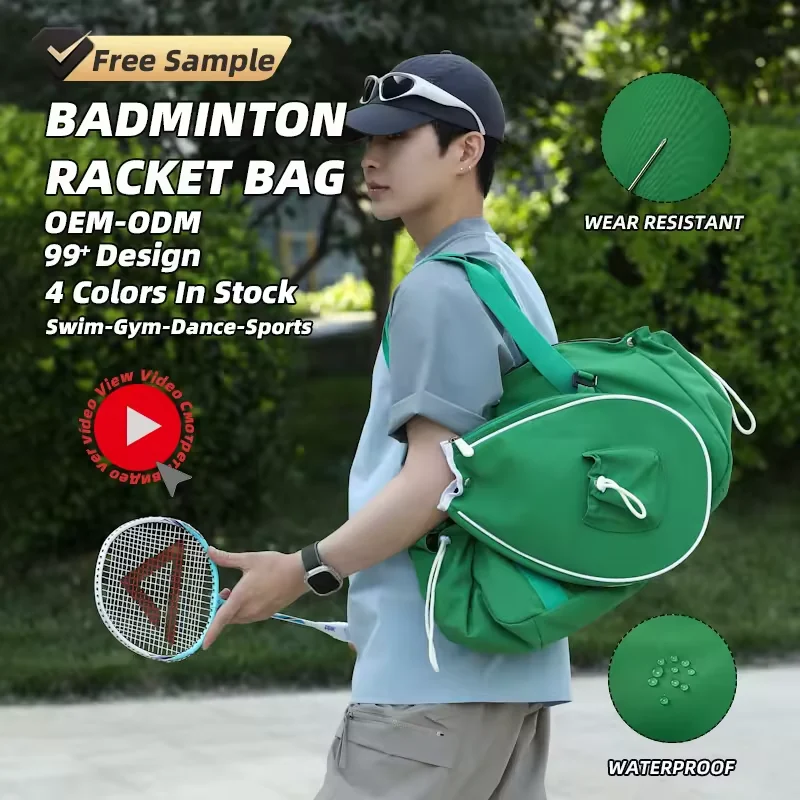
40L Polyester Tennis and Badminton Racket Bag
View product reference →Need help applying this guide to a product?
Send the product reference, intended use, target market, and the details you want to confirm.